

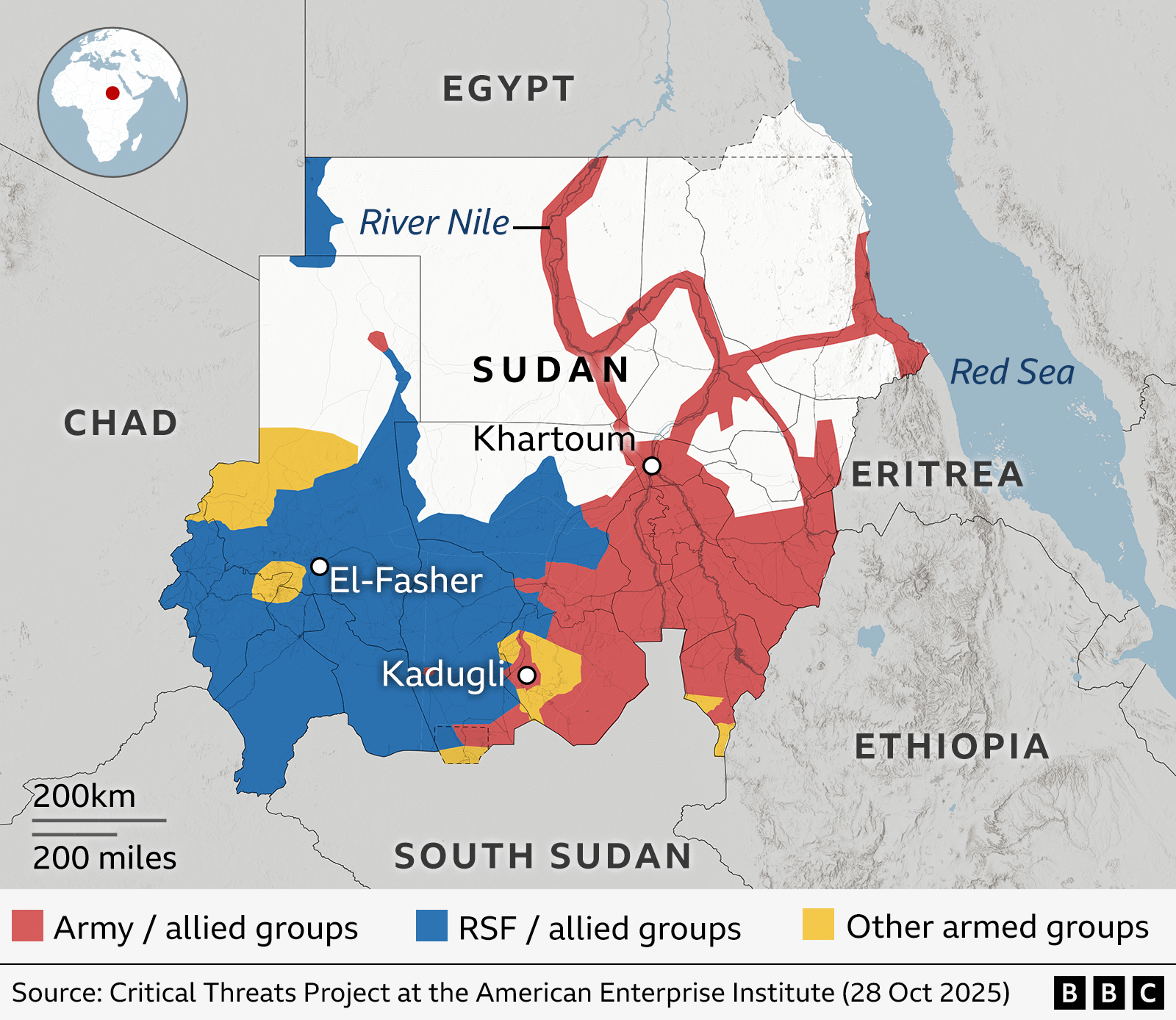
Since gaining independence in 2011, South Sudan has faced persistent instability, making the prospect of lasting peace uncertain. The optimism that accompanied independence quickly gave way to internal conflict, political rivalry, and humanitarian crises. Despite numerous peace agreements and international interventions, the country continues to struggle with violence, displacement, and weak governance. The absence of sustained peace is not the result of a single cause, but rather a complex interaction of historical grievances, deeply rooted beliefs, fragile institutions, and inconsistent long-term planning.
One of the primary obstacles to peace in South Sudan lies in the legacy of its past conflicts, particularly the Second Sudanese Civil War. This prolonged struggle shaped the political and military structures of the new nation. Armed groups that once fought for independence did not fully transition into unified national institutions. Instead, loyalties often remained tied to ethnic identities and regional affiliations. These divisions continue to influence political decisions and contribute to recurring tensions.
Ethnic identity plays a significant role in shaping beliefs and perceptions within South Sudanese society. Communities often rely on their ethnic groups for protection, resources, and social support. While this fosters strong internal cohesion, it can also deepen mistrust between groups. Political leaders have, at times, reinforced these divisions to consolidate power, which further complicates efforts toward national unity. In such an environment, peace agreements may be viewed with suspicion, particularly if communities feel excluded or disadvantaged.
Religious and cultural beliefs also influence how conflict and reconciliation are understood. While Christianity is widely practiced, traditional belief systems remain influential in many communities. These belief systems often emphasize justice, honour, and collective responsibility. In some cases, unresolved grievances are passed down through generations, making reconciliation more difficult. Without effective mechanisms to address past injustices, cycles of retaliation can persist, undermining peace initiatives.
The role of leadership cannot be overlooked. Political competition among key figures, including Salva Kiir Mayardit and Riek Machar, has been a central factor in the country’s instability. Their rivalry has, at times, escalated into armed conflict, drawing in supporters along ethnic lines. Although peace agreements have been signed, implementation has often been slow or incomplete. This has eroded public trust and created uncertainty about the commitment of leaders to genuine reconciliation.
International aid has played a crucial role in addressing humanitarian needs, yet it has also revealed significant challenges. Organizations such as United Nations and World Food Programme have provided food assistance, healthcare, and support for displaced populations. While these efforts are essential for survival, they do not address the underlying causes of conflict. In some cases, reliance on external aid can create dependency, reducing incentives for local governance structures to develop sustainable solutions.
Furthermore, the distribution of aid can become a source of tension. If resources are perceived as being allocated unevenly, it may reinforce existing divisions. Ensuring transparency and fairness in aid delivery is therefore critical, yet difficult to achieve in a context where infrastructure is limited and security conditions are unstable. Aid organizations must navigate complex political dynamics while attempting to remain neutral, which can limit their effectiveness.
Economic challenges also contribute to the absence of lasting peace. South Sudan’s economy is heavily dependent on oil exports, making it vulnerable to fluctuations in global markets. Revenue from oil has not been consistently used to build infrastructure or improve public services. Instead, economic inequality and corruption have hindered development. Without diversified economic opportunities, many young people face unemployment and limited prospects, increasing the risk of recruitment into armed groups.
Infrastructure in South Sudan remains underdeveloped, further complicating efforts to establish stability. Roads, schools, and healthcare facilities are scarce in many regions, limiting access to essential services. This lack of infrastructure not only affects daily life but also hampers communication and coordination between different parts of the country. As a result, implementing national policies and peace agreements becomes more difficult.
Planning for the future presents another major challenge. Effective long-term planning requires stable institutions, reliable data, and a shared vision for national development. In South Sudan, these elements are often lacking. Government institutions are still in the process of being established and are frequently disrupted by political instability. This makes it difficult to implement consistent policies or track progress over time.
Education is a critical component of long-term peacebuilding, yet it remains underdeveloped in South Sudan. Many children do not have access to formal schooling due to conflict, displacement, or economic hardship. Without education, opportunities for social mobility and economic participation are limited. This not only affects individual futures but also undermines the country’s ability to build a skilled workforce capable of supporting development.
Despite these challenges, there are areas where progress is possible. Strengthening local governance structures could help bridge the gap between communities and national institutions. Community-based peace initiatives, which involve local leaders and traditional authorities, have shown some success in resolving conflicts at the grassroots level. These approaches recognize the importance of cultural context and local knowledge in building trust.
Regional and international actors also have a role to play in supporting peace efforts. Diplomatic engagement, combined with targeted development assistance, can help create conditions for stability. However, such efforts must be coordinated and aligned with local priorities to be effective. External support alone cannot achieve peace; it must be complemented by internal commitment and accountability.
Looking ahead, the path to peace in South Sudan requires a comprehensive approach that addresses both immediate needs and long-term goals. This includes promoting inclusive governance, investing in education and infrastructure, and fostering economic diversification. Equally important is the need to build trust among communities and between citizens and their leaders. Without trust, even well-designed policies are unlikely to succeed.
In conclusion, the absence of lasting peace in South Sudan is the result of interconnected challenges that span history, culture, politics, and economics. Deep-rooted divisions, leadership rivalries, reliance on external aid, and weak planning structures all contribute to ongoing instability. While the situation remains difficult, understanding these factors provides a foundation for more effective strategies. Achieving peace will require sustained effort, genuine commitment from leaders, and meaningful participation from communities. Only through a balanced approach that combines immediate relief with long-term development can South Sudan move toward a more stable and hopeful future.