

In moments of crisis, the difference between a minor incident and a catastrophic outcome often comes down to one critical factor: preparedness. Whether dealing with a workplace accident, a natural disaster, or a sudden medical emergency, having a robust emergency response plan is not just a regulatory requirement—it is a fundamental necessity for protecting lives and organizational continuity. As hazards become increasingly unpredictable, understanding how to mobilize resources and coordinate actions effectively is a skill set that every business and household should prioritize.
The Foundations of an Effective Emergency Response Plan
An emergency response plan (ERP) serves as a strategic roadmap for handling unexpected events. Without a structured approach, panic can lead to disorganized actions that exacerbate the situation.
Assessing Potential Risks
Before writing a plan, you must identify what you are preparing for. Conduct a hazard vulnerability analysis to determine the most likely threats in your specific environment.
- Natural Disasters: Earthquakes, floods, or severe storms.
- Technological Failures: Power outages, cyberattacks, or chemical leaks.
- Human-Caused Incidents: Workplace violence, fire, or medical emergencies.
Developing Standard Operating Procedures (SOPs)
Once risks are identified, establish clear SOPs. These documents should outline step-by-step actions for every employee or family member, ensuring everyone knows their specific role during an evacuation, lockdown, or shelter-in-place scenario.
Essential Components of Emergency Preparedness
Preparedness is more than just a document; it is about having the resources and training necessary to act when seconds matter most.
Building an Emergency Kit
Every home and office should have a supply kit that lasts for at least 72 hours. Key items include:
- Non-perishable food and water (one gallon per person per day).
- First aid supplies and prescription medications.
- Flashlights, extra batteries, and a battery-powered radio.
- Personal hygiene items and emergency blankets.
Training and Drills
According to safety experts, regular practice is the key to muscle memory. Actionable Tip: Conduct bi-annual drills to test evacuation routes and communication protocols. Evaluate the performance after each drill to identify gaps in your strategy.
Communication Strategies During a Crisis
During an emergency, communication is the most frequent point of failure. Establishing a clear chain of command and reliable contact methods is essential.
Establishing Internal and External Channels
Utilize multiple redundant communication methods to ensure your message gets through even if primary systems fail:
- Mass notification systems (SMS alerts or email blasts).
- Two-way radios for onsite coordination.
- A designated out-of-area contact person to act as a central hub.
Managing Public and Internal Information
Transparency is vital. Employees and family members need accurate, timely information to remain calm and follow instructions. Assign a single spokesperson to handle all updates to avoid conflicting reports.
Medical Emergency Response
When a health crisis occurs, the “Golden Hour”—the period immediately following an injury—determines the long-term survival of the victim.
Basic First Aid and CPR
Providing immediate care significantly increases survival rates. Key capabilities to foster include:
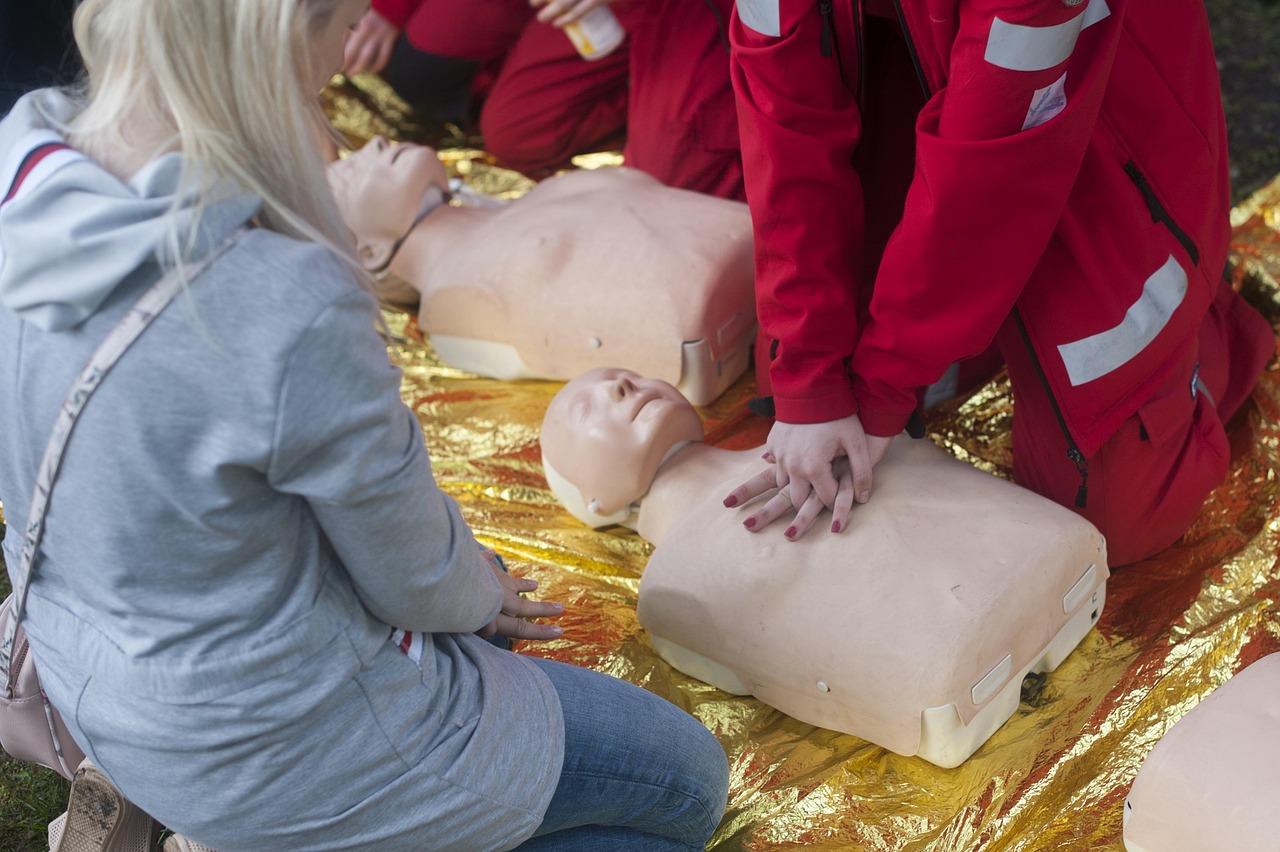
- CPR Training: Properly performed CPR can double or triple a person’s chance of survival after cardiac arrest.
- AED Usage: Automated External Defibrillators are user-friendly and crucial for heart-related incidents.
- Stop the Bleed: Learning how to use tourniquets and pressure dressings for severe trauma.
Coordination with Professional Responders
The role of bystanders is to stabilize the situation until professionals arrive. Always ensure the location of the incident is clearly stated to emergency dispatchers (911) and that someone is assigned to guide first responders upon their arrival.
Post-Emergency Recovery and Evaluation
The response phase concludes, but the recovery phase begins immediately. Evaluating what went right and what went wrong is crucial for long-term improvement.
Conducting After-Action Reviews
After an incident, hold a debriefing session to gather feedback. Focus on objective data: how long did the evacuation take? Were all communication channels effective? What resources were missing?
Updating the Plan
An emergency plan is a living document. Use the insights gained from the After-Action Review to update your procedures. If a specific alarm wasn’t heard in a remote part of the building, for example, your next step should be installing a more robust notification system in that area.
Conclusion
Emergency response is not a one-time task but a commitment to safety and resilience. By performing comprehensive risk assessments, investing in regular training, and establishing redundant communication protocols, you can transform how your organization or household reacts to unforeseen challenges. The most effective response is one that is practiced, well-equipped, and clearly understood by everyone involved. Start building your emergency preparedness foundation today—because being ready is the best way to ensure that a crisis remains manageable rather than becoming a tragedy.