

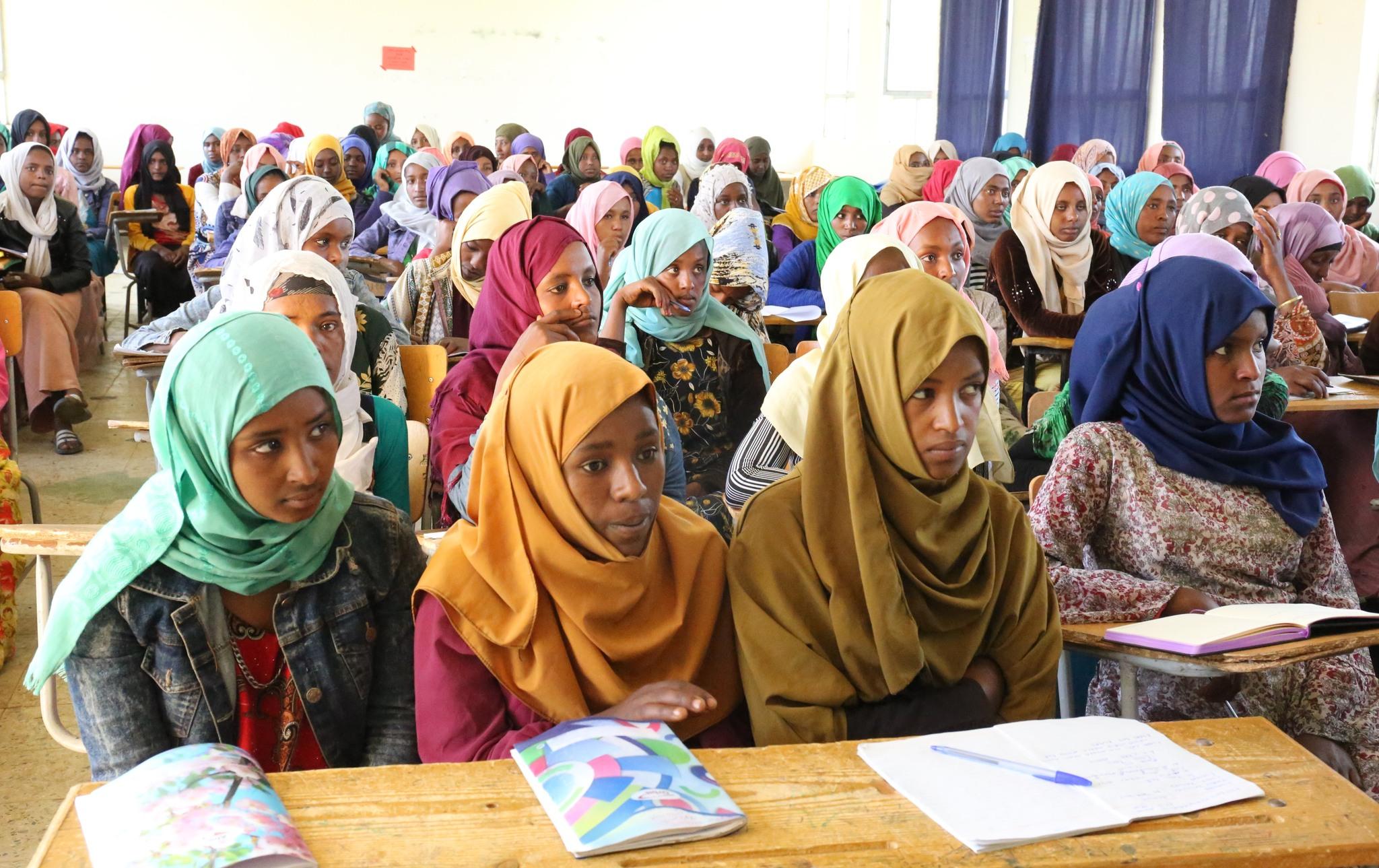
There are countries whose challenges can be explained in statistics, and then there are those whose reality is best understood through the lives of their people. Ethiopia falls into the latter.
Behind headlines and policy discussions lies a deeply human story, of families uprooted overnight, of communities divided by fear, and of a nation wrestling with forces that touch every corner of its society. Ethiopia today is not defined by a single crisis, but by a layering of pressures that, together, have created one of the most sensitive and fragile environments in the region.
When Conflict Becomes Everyday Life
For many Ethiopians, conflict is no longer something distant or occasional, it has become part of daily existence. In several regions, tensions between armed groups, local militias, and federal forces have turned once-stable communities into uncertain spaces.
What makes this particularly painful is not only the violence itself, but the disruption it causes:
- Schools close or become unsafe
- Markets stop functioning normally
- Families are separated, sometimes permanently
In such conditions, the idea of “normal life” slowly disappears. People begin to live day by day, guided less by plans for the future and more by immediate survival.
The Weight of Identity and Division
Ethiopia is home to many ethnic groups, languages, and cultures, an incredible richness that has shaped its identity for generations. But in times of political stress, these differences can become points of tension.
Communities that once lived side by side may begin to see each other through the lens of suspicion. Small disputes can escalate quickly, fueled by fear and past grievances.
What emerges is not just conflict, but fractured trust.
And when trust breaks down, rebuilding it becomes far more difficult than repairing roads or restoring buildings. It requires time, dialogue, and a willingness to see one another as partners again, rather than threats.
Hunger, Drought, and the Struggle to Survive
Beyond conflict, nature itself has added to Ethiopia’s hardships. In many rural areas, the land—once a reliable source of life, has become unpredictable.
Droughts stretch for months, sometimes years. Crops fail. Livestock weaken or die. Families who have depended on farming for generations suddenly find themselves without food or income.
In other regions, flooding brings a different kind of destruction, washing away homes, displacing entire communities, and leaving behind loss that cannot easily be replaced.
For a farmer watching their fields dry up, or a parent unable to feed their children, the decision to leave is not political. It is deeply personal. It is about survival.
Economic Pressure That Touches Every Household
Even in areas not directly affected by conflict or climate shocks, life has become increasingly difficult.
Prices rise. Jobs are scarce. The cost of basic goods continues to climb beyond what many families can afford.
In cities, young people search for opportunities that seem just out of reach. In rural areas, options are even more limited.
This creates a quiet but powerful pressure, one that does not make headlines, but shapes daily decisions:
- Do we stay and struggle, or leave and hope?
- Do we hold on, or do we start again somewhere else?
Why People Are Leaving
The movement of Ethiopians into neighboring countries is often described in numbers, but behind those numbers are individual stories.
People leave for many reasons, but they are all connected:
Some flee because their homes are no longer safe.
Others leave because they cannot find food or work.
Many go simply because uncertainty has become too overwhelming to endure.
Neighboring countries like Sudan, Kenya, and Djibouti have become places of refuge, not because they are perfect, but because they offer something many Ethiopians feel they have lost: a chance at stability.
Leaving home is rarely a choice made lightly. It often means:
- Abandoning land and property
- Leaving behind extended family
- Stepping into an uncertain future
But when staying feels more dangerous than leaving, the decision becomes unavoidable.
The Emotional Cost of Displacement
What is often overlooked is the emotional toll.
Displacement is not just physical movement; it is a loss of identity, belonging, and continuity. Children grow up away from the places their parents call home. Traditions become harder to maintain. The sense of rootedness fades.
For many, the hope is always to return. But as time passes, that hope can feel more distant.
What Must Change
Ethiopia’s path forward cannot rely on temporary solutions. The depth of its challenges requires a response that is equally deep and sustained.
Peace Must Come First
Without peace, nothing else can truly take hold.
Dialogue, reconciliation, and inclusive political processes are essential. Communities need to feel heard, represented, and safe.
Peace is not simply the absence of conflict; it is the presence of trust.
Rebuilding Trust Across Communities
Healing divisions requires more than agreements at the top. It must happen at the community level.
People need spaces to reconnect, to share, and to rebuild relationships that have been damaged.
This is slow work, but it is necessary.
Supporting Livelihoods
Economic stability gives people a reason to stay.
Investments in agriculture, small businesses, and job creation can help families rebuild their lives. When people can provide for themselves, the pressure to leave begins to ease.
Preparing for Climate Reality
Ethiopia cannot avoid environmental challenges, but it can adapt.
Better water management, sustainable farming practices, and disaster preparedness can reduce the impact of droughts and floods.
These measures protect not just land, but lives.
Strengthening Governance
People need to trust that their institutions are working for them.
This means improving service delivery, ensuring fairness, and addressing concerns openly.
When trust in governance grows, stability follows.
A Final Thought
Ethiopia is not a country without hope. It is a country carrying heavy burdens—many of which have built up over time.
But within its people lies resilience, history, and a deep connection to land and identity.
No one leaves home unless home stops feeling like home.
The goal, then, is not only to address conflict or poverty, but to restore that sense of belonging, to create conditions where staying is no longer a risk, but a choice.
If Ethiopia can begin to ease these pressures, step by step, it can move from a place of strain toward one of renewal, where its people are not defined by displacement, but by the possibility of rebuilding together.