





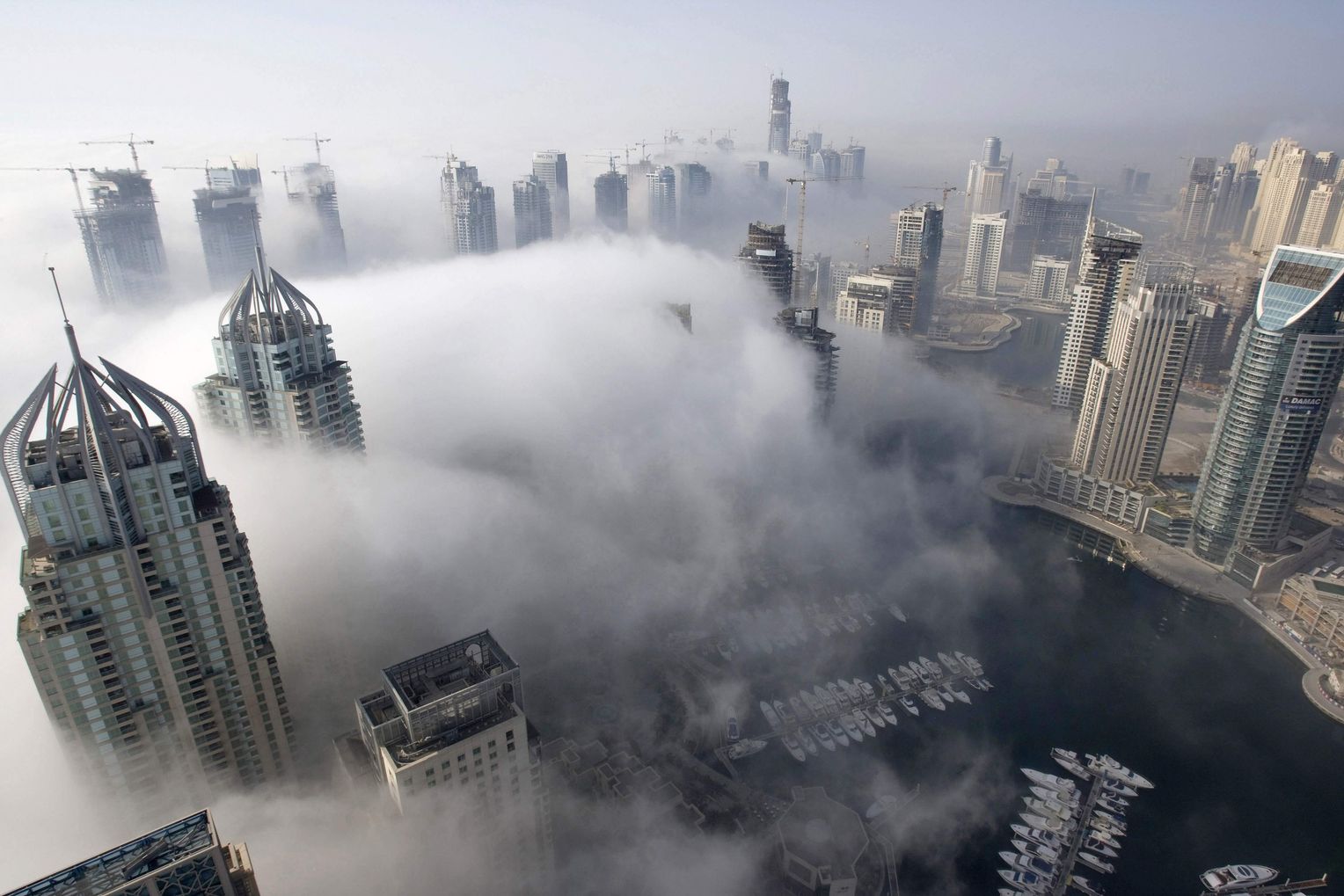
A Comprehensive Examination of Challenges and Prospects for Recovery
Dubai, one of the most striking symbols of modern urban achievement, has captivated the world with its soaring skyscrapers, luxury lifestyle, and rapid economic growth. Often portrayed as a model of visionary planning and economic dynamism, the city has become synonymous with wealth, innovation, and ambition. In recent years, however, concerns have surfaced in some circles suggesting that Dubai might be approaching a period of structural stress or even collapse. While such claims are dramatic, they raise important questions about underlying vulnerabilities, economic sustainability, and the future trajectory of this remarkable city.
To understand the context, it is essential to recognize the foundations upon which Dubai’s rise has been built. In just a few decades, the emirate transformed from a modest trading port into a global hub for finance, tourism, logistics, and real estate. This transformation was supported by a strategic vision that embraced economic diversification, major infrastructure investments, and an openness to foreign investment. Dubai’s leaders capitalized on its geographic position between East and West to attract global business, hosting multinational headquarters, international events, and massive construction projects.
However, beneath the surface of rapid growth lie structural pressures that deserve careful consideration. One central area of concern is debt. Dubai’s development model relied heavily on borrowing, both in the public sector and among private real estate developers. Large-scale projects were often financed through loans, creating a complex network of obligations that require continuous capital inflows to service. Although borrowing supported rapid expansion, it also introduced financial vulnerability. When economic conditions shift or investor confidence weakens, highly leveraged sectors can become exposed to risk.
The real estate sector in Dubai has been a defining feature of the city’s identity, symbolized by iconic developments such as the Burj Khalifa, Palm Jumeirah, and vast commercial districts. Yet, this sector has experienced volatility. Real estate prices have fluctuated dramatically, and periods of oversupply have strained market stability. High vacancy rates in commercial and residential properties have at times outpaced demand, lowering rental yields and challenging investors who depend on steady returns. These trends have fueled concerns about a potential correction or contraction in property values.
In addition to debt and real estate pressures, Dubai’s economy faces external risks. Global economic conditions, including slower growth in major markets and inflationary pressures, can reduce demand for tourism, trade, and investment, three pillars of Dubai’s economy. Economic slowdowns in key trading partners can dampen the flow of goods and visitors, affecting revenues in sectors that are sensitive to global conditions. Moreover, shifts in global energy markets, financial market volatility, and tightening monetary conditions internationally can influence investor sentiment and capital flows into emerging markets like Dubai.
Another underlying factor relates to labor dynamics. Dubai’s workforce comprises a high proportion of expatriates recruited to support construction, professional services, hospitality, and logistics. While this diverse workforce has been a source of strength, it also creates vulnerabilities. Economic downturns can lead to job losses, reduced remittances, and social challenges as expatriate workers reconsider their long-term prospects. The reliance on foreign labor also means that shifts in global migration trends or immigration policies abroad can influence Dubai’s labor market stability.
Demographic pressures compound these economic complexities. Rapid population growth, much of it driven by expatriate inflows, places demands on infrastructure, housing, public services, and social support systems. Managing growth sustainably requires not only investment but also long-term planning that anticipates demographic shifts and changing economic conditions. Ensuring access to affordable housing, healthcare, and quality of life services for a diverse population remains a policy priority.
Environmental and resource concerns also merit attention. Dubai’s desert climate places natural limits on water availability, agricultural capacity, and sustainable living conditions. Although technological solutions such as desalination and renewable energy investments help address some challenges, long-term environmental sustainability requires careful balance between growth and resource conservation. Rising temperatures, water scarcity, and environmental degradation could present additional constraints over time.
In light of these pressures, claims that Dubai is “on the edge of collapsing” must be evaluated with nuance. While valid concerns exist, it is important not to conflate economic stress with inevitable collapse. Dubai is part of a broader political and economic union, the United Arab Emirates (UAE) which offers institutional resilience, sovereign resources, and strategic planning capacity. The UAE government has substantial financial reserves and policy tools that can be deployed to stabilize markets, support strategic sectors, and manage systemic risk.
Indeed, Dubai has demonstrated an ability to adapt in the face of prior challenges. After the global financial crisis of 2008–2009, which significantly affected real estate markets and banking sectors, Dubai pursued measures to restructure debt, attract foreign capital, and reposition itself as a diversified economy. Investments in tourism, technology sectors, logistics, and international partnerships helped sustain momentum. These historical responses illustrate that adaptive governance, strategic policy interventions, and economic diversification can mitigate risk and enable recovery.
The question of whether Dubai can return to “normal” depends on how normal is defined. If normal refers to rapid, uninterrupted expansion in all sectors, then periods of adjustment may feel like setbacks. However, if normal is understood as sustainable growth with resilient economic structures, then recovery and equilibrium are achievable goals. The broader context suggests that Dubai’s economy, while facing headwinds, retains strengths that support long-term stability.
One critical area for future resilience is economic diversification. Dubai has made substantial progress in reducing reliance on oil revenue by expanding sectors such as tourism, finance, trade, and technology. Continued emphasis on innovation, regulatory reforms, and business-friendly environments can attract global investors and entrepreneurs. Initiatives that encourage startups, attract research institutions, and build knowledge-based industries could further solidify Dubai’s competitive edge in a changing global economy.
Financial sector reform is another area that will influence Dubai’s trajectory. Strengthening regulatory frameworks, enhancing transparency, and improving risk management practices can boost investor confidence and market stability. A robust financial ecosystem that balances growth with prudent oversight will be better positioned to navigate global economic cycles.
Social policy also plays a role in long-term stability. Ensuring that the workforce has access to skills development, fair employment practices, and pathways to economic participation supports social cohesion and economic resilience. Addressing income inequality and strengthening social safety nets contribute to stability, particularly during periods of economic adjustment.
Global cooperation and strategic partnerships remain essential. Dubai is deeply integrated into international networks of trade, finance, and tourism. Maintaining strong relationships with global partners, participating in multilateral initiatives, and adapting to shifts in global economic governance will help sustain the emirate’s relevance and influence.
Public perception and confidence are also important elements in assessing the likelihood of recovery. Media narratives that focus on sensational claims of collapse can overshadow the more complex realities of economic adjustment. Balanced analysis that recognizes both vulnerabilities and strengths provides a clearer picture of Dubai’s prospects. Confidence among residents, investors, and international partners supports economic activity and reduces the risk of self-fulfilling negative expectations.
In evaluating whether Dubai is on the brink of collapse, it is also useful to compare its situation with other global cities that have faced economic stress. Major hubs such as New York, London, and Hong Kong have encountered financial downturns, real estate adjustments, and shifts in global competitiveness. In each case, adaptive policies, strategic investment, and institutional capacity have enabled recovery over time. Dubai, with its strong governance framework and strategic vision, is positioned to navigate similar challenges.
At the same time, the experience of Dubai highlights broader lessons for rapidly developing cities worldwide. Rapid growth without balanced risk management can create vulnerabilities. Heavy reliance on specific sectors, high levels of debt, and concentrated investment in capital-intensive projects can increase systemic risk. Sustainable development requires diversified economic portfolios, resilience planning, and investment in human capital.
Looking forward, it is possible for Dubai to return to a state of balance that supports growth, stability, and quality of life. This outcome depends on several factors, including effective economic policy, continued investment in strategic sectors, prudent financial management, and adaptive governance. Normalcy in Dubai’s context may not mean a return to unchecked expansion but rather the establishment of sustainable growth patterns that can withstand global uncertainty and demographic shifts.
In conclusion, the idea that Dubai is on the verge of collapse is an overstatement that oversimplifies a multifaceted economic reality. Concerns about debt, real estate volatility, external economic pressures, and demographic dynamics are real and warrant careful attention. However, Dubai’s institutional strengths, governance capacity, and history of adaptation provide foundations for resilience. While the path forward may involve challenges and adjustments, the prospects for recovery and sustained growth remain credible. Rather than a complete collapse, Dubai is more likely entering a period of structural transformation, one that demands thoughtful planning, diversified investment, and collaborative governance. By addressing underlying vulnerabilities and building on its existing strengths, Dubai can navigate present challenges and continue its role as a global hub of innovation, commerce, and cultural exchange.


