

The question of peace in the Middle East has remained one of the most complex and persistent challenges in modern international relations. For decades, the region has experienced cycles of conflict, fragile ceasefires, and renewed violence. Despite numerous diplomatic efforts and international interventions, the prospect of lasting peace often appears distant. The continuation of war in several parts of the region has deepened divisions, reinforced mistrust, and created conditions that make resolution increasingly difficult.
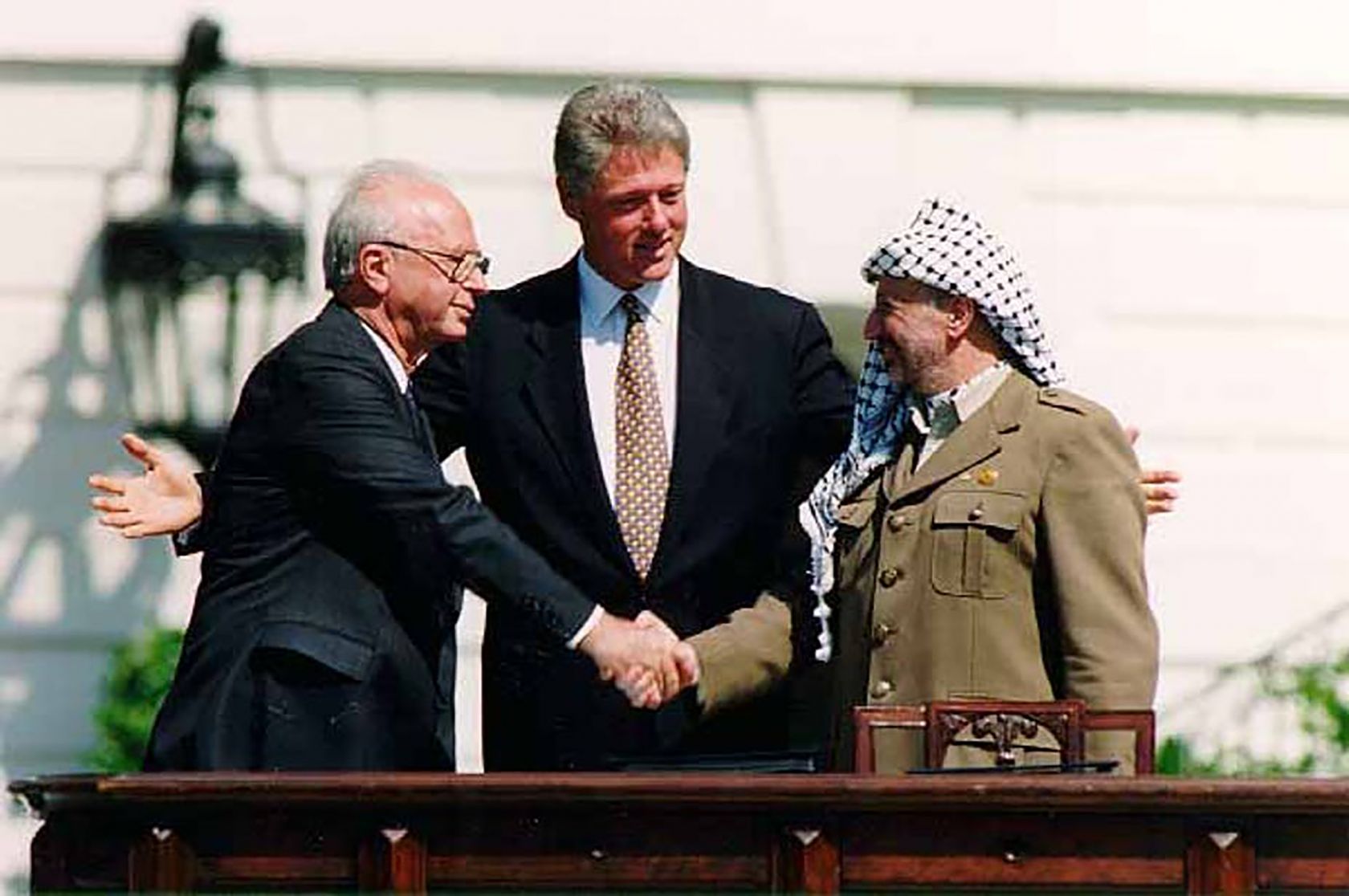
One of the central reasons for the lack of peace is the deep historical roots of conflict in the region. Many of the current tensions can be traced back to events in the twentieth century, including the formation of modern states, colonial legacies, and disputes over territory. The establishment of Israel and its ongoing conflict with the Palestinian territories remains one of the most prominent and enduring disputes. This conflict has involved multiple wars, uprisings, and negotiations, yet a comprehensive and lasting agreement has not been achieved. The emotional and political significance of land, identity, and sovereignty continues to fuel disagreement.
In addition to this long standing issue, other conflicts have contributed to instability. Countries such as Syria, Yemen, and Iraq have experienced prolonged violence, often involving both internal divisions and external involvement. These conflicts have created humanitarian crises, displaced millions of people, and weakened state institutions. The fragmentation of authority in some areas has made it difficult to establish order or implement peace agreements.
Another major factor is the involvement of regional and global powers. Countries within the Middle East often compete for influence, forming alliances and supporting different groups in conflicts. At the same time, external powers such as the United States and Russia have played significant roles in shaping events in the region. Their involvement is driven by strategic interests, including security concerns, access to resources, and geopolitical influence. While such involvement can sometimes help manage conflicts, it can also intensify them by adding new layers of competition.
Religious and cultural differences are often cited as causes of conflict, but the reality is more complex. While identity can influence political positions, many conflicts in the Middle East are driven by power, governance, and resource distribution rather than purely religious factors. However, when political disputes are framed in terms of identity, they can become more difficult to resolve. This is because they are then tied to deeply held beliefs and values, making compromise more challenging.
Economic conditions also play a significant role in shaping the prospects for peace. In some parts of the region, high levels of unemployment, limited economic opportunity, and unequal distribution of wealth contribute to dissatisfaction and unrest. Young populations facing uncertain futures may be more vulnerable to involvement in conflict. At the same time, the presence of valuable resources, particularly oil and gas, can create competition and influence political decisions. Control over these resources often becomes a source of tension both within and between countries.
The role of governance and political systems is another important consideration. In several countries, weak institutions, lack of accountability, and limited political participation have contributed to instability. When citizens feel excluded from decision making or lack confidence in their leaders, it can lead to protests, unrest, and, in some cases, violent conflict. Efforts to establish more inclusive and transparent systems have faced significant obstacles, particularly in environments where security concerns dominate.
The ongoing humanitarian impact of conflict further complicates the situation. Millions of people across the region have been displaced from their homes, creating large populations of refugees and internally displaced persons. These conditions place strain on neighbouring countries and international aid systems. The loss of infrastructure, including schools, hospitals, and housing, makes recovery more difficult even when violence decreases. For many individuals, daily life is shaped by uncertainty and limited access to basic services.
Another reason for the limited hope for peace is the persistence of mistrust between conflicting parties. Years of violence, broken agreements, and shifting alliances have made it difficult for groups to believe in the possibility of lasting solutions. Even when negotiations take place, there is often concern that commitments will not be honoured. This lack of trust slows progress and can lead to the collapse of agreements.
The influence of armed groups and non state actors adds further complexity. In several conflicts, these groups operate alongside or in opposition to official governments. Their goals, strategies, and sources of support can vary widely, making it difficult to achieve unified agreements. In some cases, these groups control territory and resources, effectively acting as alternative authorities. Addressing their role in conflict requires approaches that go beyond traditional diplomacy.
Media and information also play a role in shaping perceptions of conflict. Coverage of events can influence public opinion both within the region and globally. In some cases, information is used to support particular narratives, which can deepen divisions and reinforce existing positions. The rapid spread of information through digital platforms has increased the speed at which opinions are formed, sometimes without full context.
Despite these challenges, there have been efforts to promote peace and stability. International organizations such as the United Nations have been involved in mediation, peacekeeping, and humanitarian assistance. Regional initiatives and bilateral negotiations have also sought to address specific conflicts. While these efforts have achieved some success, they have not yet resulted in comprehensive and lasting peace across the region.
The question of whether peace is possible in the Middle East does not have a simple answer. On one hand, the depth and complexity of the challenges suggest that resolution will take time and sustained effort. On the other hand, history shows that even long standing conflicts can be resolved through negotiation, compromise, and changes in leadership and perspective. The key lies in addressing both the immediate causes of conflict and the underlying conditions that sustain it.
Education and social development may play an important role in shaping the future. By providing opportunities for individuals and promoting understanding between communities, these efforts can help reduce the factors that contribute to conflict. Economic development, when inclusive and sustainable, can also create conditions that support stability.
In conclusion, the limited hope for peace in the Middle East is the result of a combination of historical, political, economic, and social factors. Ongoing conflicts in countries such as Syria, Yemen, and Iraq, along with the enduring dispute between Israel and the Palestinian territories, highlight the complexity of the situation. The involvement of regional and global powers, the persistence of mistrust, and the challenges of governance all contribute to the difficulty of achieving lasting peace. While the path forward is uncertain, continued efforts toward dialogue, cooperation, and development remain essential for any future resolution.