





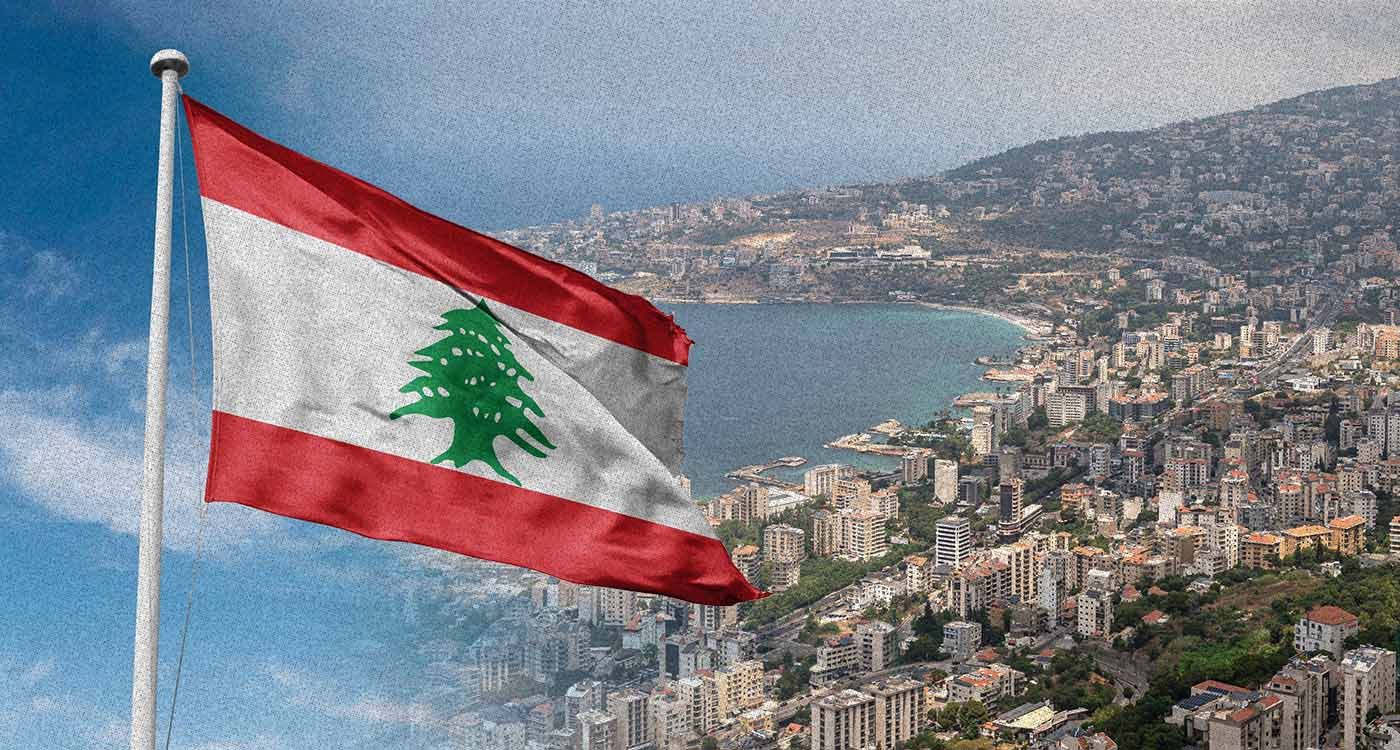
Beirut, often described as one of the oldest continuously inhabited cities in the world, stands at the center of Lebanon’s historical and cultural evolution. While Beirut itself is a city rather than a country, its development is closely tied to the emergence of modern Lebanon as a nation-state. Understanding the “birth” of Beirut in a national sense therefore requires examining the broader historical processes that shaped Lebanon, as well as Beirut’s role as a political, economic, and cultural focal point.
Lebanon’s identity has been formed through centuries of interaction among civilizations, religions, and communities. Beirut, as its capital, reflects these layers of influence. The city embodies both continuity and transformation, serving as a meeting point between East and West, tradition and modernity, and diverse cultural expressions.
Ancient Foundations and Early Civilizations
The origins of Beirut date back thousands of years. Archaeological evidence suggests that the area has been inhabited since at least the Bronze Age. In ancient times, Beirut was part of the Phoenician civilization, a maritime culture known for trade, navigation, and the spread of alphabetic writing. The Phoenicians established city-states along the eastern Mediterranean coast, and Beirut was among these centers of commerce and cultural exchange.
Under successive empires, including the Roman and Byzantine periods, Beirut gained prominence as a center of learning and administration. The Roman city of Berytus became known for its law school, which attracted students from across the empire. These early developments laid the foundation for Beirut’s enduring reputation as a hub of intellectual and cultural activity.
Medieval Transformations and Ottoman Rule
Following the decline of the Byzantine Empire, Beirut came under the control of various powers, including Arab caliphates, Crusader states, and eventually the Ottoman Empire. Each of these periods contributed to the city’s cultural and architectural landscape.
During Ottoman rule, which lasted from the early 16th century until the end of the First World War, Beirut evolved into an important provincial center. The Ottomans administered the region through a system that recognized religious communities, allowing groups such as Christians, Muslims, and others to maintain a degree of autonomy in their internal affairs. This system contributed to the development of a multi-religious society, a defining feature of Lebanon to this day.
Beirut’s port facilitated trade with Europe and the wider Mediterranean, fostering economic growth and cultural exchange. By the 19th century, the city had become a significant commercial hub, attracting merchants, missionaries, and intellectuals from various backgrounds.
The Birth of Modern Lebanon
The modern state of Lebanon emerged in the aftermath of the First World War and the collapse of the Ottoman Empire. In 1920, under the French Mandate, the territory of Greater Lebanon was established, incorporating diverse regions and communities into a single political entity.
Beirut was designated as the capital, solidifying its role as the administrative and cultural center of the new state. The mandate period saw the development of modern institutions, infrastructure, and educational systems. French influence left a lasting imprint on Lebanon’s legal framework, language, and cultural orientation.
Lebanon gained independence in 1943, marking a significant milestone in its national development. The political system that emerged was based on a form of power-sharing among religious communities, reflecting the country’s demographic composition. This arrangement aimed to balance representation and maintain stability, although it also introduced complexities into governance.
Beirut as a Center of Belonging
Beirut’s identity is closely tied to the concept of belonging, both for Lebanese citizens and for broader regional and international communities. The city has long served as a place where people from different backgrounds converge, creating a sense of shared space despite diverse identities.
For many Lebanese, Beirut represents opportunity, education, and cultural expression. It has historically been a center for universities, media, and the arts, attracting students, professionals, and artists from across the country. This concentration of intellectual and creative activity has contributed to a sense of national belonging that transcends regional and sectarian divisions.
At the same time, Beirut has been shaped by waves of migration and displacement. Refugees and expatriates have contributed to the city’s demographic and cultural landscape, reinforcing its role as a crossroads of identities. This dynamic environment reflects both the challenges and the possibilities of belonging in a diverse society.
Cultural Diversity and Social Fabric
Lebanon is characterized by a high degree of cultural and religious diversity. The population includes multiple religious communities, such as Sunni and Shia Muslims, Maronite and Orthodox Christians, Druze, and others. Each of these groups has its own traditions, rituals, and institutions, contributing to a rich cultural mosaic.
Beirut, as the capital, encapsulates this diversity. Neighborhoods often reflect specific cultural or religious identities, yet the city as a whole functions as a shared space where these communities interact. Markets, schools, workplaces, and public spaces provide opportunities for exchange and cooperation.
Cultural diversity in Beirut is expressed through language, cuisine, music, and festivals. Arabic is the primary language, but French and English are widely used, reflecting historical influences and global connections. Lebanese cuisine combines Mediterranean and Middle Eastern elements, while music and art draw from both traditional and contemporary sources.
This diversity is a source of creativity and resilience, enabling the city to adapt to changing circumstances while preserving its cultural heritage.
Periods of Conflict and Reconstruction
Despite its cultural richness, Beirut has also experienced significant periods of conflict. The Lebanese Civil War (1975–1990) had a profound impact on the city, dividing it along sectarian lines and causing widespread destruction. Infrastructure, neighborhoods, and social networks were deeply affected.
The post-war period involved extensive reconstruction efforts aimed at restoring Beirut’s role as a regional center. Urban redevelopment projects sought to rebuild infrastructure and revitalize economic activity. While these efforts achieved some success, they also raised questions about social equity, historical preservation, and the distribution of resources.
More recently, Beirut has faced additional challenges, including political instability, economic crises, and the devastating explosion at the port in 2020. These events have tested the resilience of the city and its inhabitants, highlighting the ongoing need for effective governance and sustainable development.
Economic and Cultural Role in the Region
Beirut has long been regarded as a gateway between the Middle East and the wider world. Its strategic location on the Mediterranean coast has facilitated trade, tourism, and cultural exchange. The city has historically been a center for banking, publishing, and education, earning a reputation as a hub of intellectual and economic activity.
Cultural institutions, including universities, theaters, and galleries, contribute to Beirut’s regional influence. The city’s vibrant arts scene reflects both local traditions and global trends, attracting audiences and participants from diverse backgrounds.
This role as a regional center has reinforced Beirut’s identity as a place of openness and interaction, even in the face of political and economic challenges.
Identity and the Question of Unity
The concept of national identity in Lebanon is complex, shaped by multiple layers of affiliation. While there is a shared sense of belonging to the Lebanese nation, regional, religious, and cultural identities remain significant.
Beirut plays a central role in navigating these dynamics. As a capital city, it serves as a space where national identity is articulated and contested. Public discourse, media, and cultural expression all contribute to ongoing debates about what it means to be Lebanese.
Efforts to promote unity often focus on shared experiences, such as language, history, and cultural heritage. At the same time, addressing divisions requires acknowledging differences and fostering inclusive approaches to governance and social organization.
Resilience and Future Prospects
One of the defining characteristics of Beirut and Lebanon is resilience. Despite facing numerous challenges, the city and the nation continue to adapt and rebuild. Community initiatives, cultural activities, and international partnerships play important roles in supporting recovery and development.
The future of Beirut and Lebanon depends on addressing key issues such as political reform, economic stability, and social cohesion. Strengthening institutions and promoting inclusive policies can help create a more stable and equitable society.
At the same time, preserving cultural diversity and fostering creative expression remain essential to maintaining the unique identity of the country.
Conclusion
The story of Beirut and the emergence of Lebanon as a nation is one of continuity, diversity, and transformation. From its ancient origins as a Phoenician city to its role as the capital of a modern state, Beirut has been shaped by a wide range of historical influences and cultural interactions.
Lebanon’s identity reflects this complexity, encompassing multiple communities, traditions, and perspectives. Beirut stands at the heart of this identity, embodying both the challenges and the possibilities of living in a diverse society.
Understanding Beirut and Lebanon requires recognizing the interplay between history, belonging, and cultural diversity. It also involves acknowledging the resilience of a people who continue to navigate change while preserving their heritage.
As Lebanon moves forward, the lessons of its past and the strength of its cultural diversity will remain central to shaping its future, offering both challenges to overcome and opportunities to embrace.


