

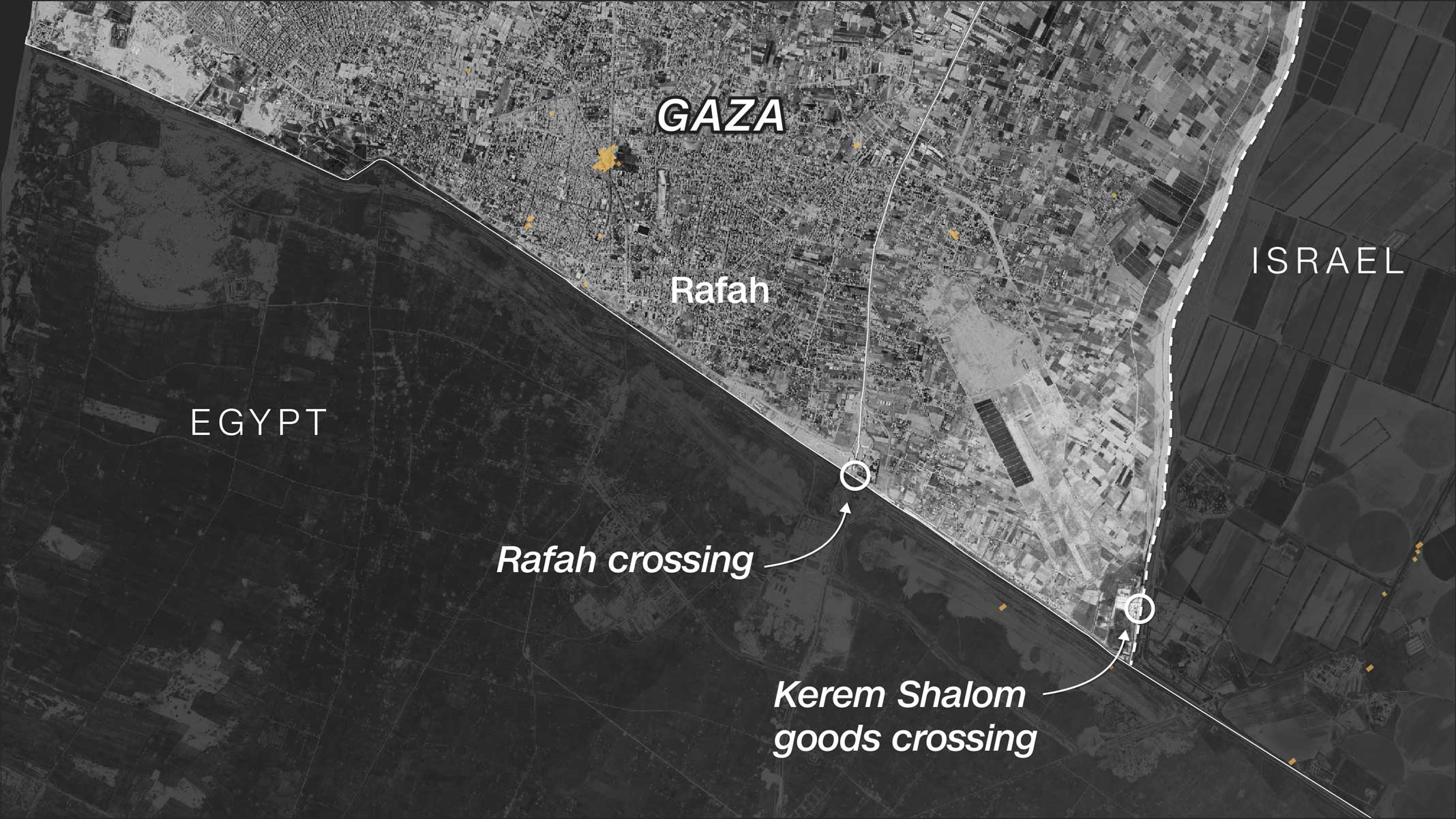
When conflict erupts in densely populated areas, humanitarian aid becomes one of the most critical lifelines for civilians caught in the middle. In Gaza, where repeated cycles of violence have caused widespread disruption to infrastructure, housing, healthcare systems, and basic services, humanitarian assistance has played a central role in supporting survival and recovery efforts. Aid in such contexts is not simply a matter of logistics; it becomes a structured response to urgent human need, shaped by urgency, limited access, and complex political realities.
Humanitarian assistance in conflict zones like Gaza is typically delivered under extremely difficult conditions. Roads may be damaged, borders restricted, supply chains interrupted, and safety conditions unpredictable. Despite these challenges, international organizations, local agencies, and relief networks continue to operate in an attempt to provide food, water, shelter, and medical care to affected populations. Understanding how this aid functions helps clarify both its importance and its limitations in a prolonged crisis environment.
Emergency Relief: Meeting Immediate Survival Needs
The first and most urgent form of humanitarian aid during conflict is emergency relief. This type of assistance focuses on sustaining life in the immediate aftermath of destruction or displacement. In Gaza, emergency relief often includes the distribution of food parcels, bottled water, hygiene kits, and temporary shelter materials such as blankets and tents.
When infrastructure is damaged, access to clean water and electricity becomes limited, making basic survival increasingly difficult. Humanitarian organizations respond by setting up temporary distribution points where civilians can receive essential supplies. These efforts are designed to reduce the risk of famine, dehydration, and disease outbreaks that often follow large-scale conflict.
Emergency relief is not a long-term solution, but it provides critical breathing space for affected populations. It allows families to survive day by day while broader systems of support are organized or restored. In environments where normal supply chains no longer function, this immediate assistance becomes essential to preventing further loss of life.
Medical Assistance: Supporting Overwhelmed Health Systems
One of the most heavily affected sectors during conflict in Gaza is healthcare. Hospitals and clinics often operate under extreme pressure due to increased casualties, shortages of medical supplies, and damage to infrastructure. Humanitarian aid plays a vital role in reinforcing these strained systems.
Medical assistance typically includes the delivery of essential medicines, surgical equipment, trauma kits, and mobile clinic support. International medical teams may also assist local healthcare workers in treating injuries and managing emergency care. In many cases, temporary field hospitals are established to handle patient overflow when existing facilities become overwhelmed.
Beyond trauma care, humanitarian health support also addresses chronic conditions. Patients with illnesses such as diabetes, heart disease, or cancer often face disruptions in treatment during conflict. Aid organizations attempt to provide continuity of care by supplying medication and supporting healthcare delivery systems.
Despite these efforts, medical response is often limited by access restrictions and resource shortages, making healthcare one of the most challenging areas of humanitarian intervention.
Shelter and Displacement Support
War frequently forces civilians to leave their homes, creating large populations of displaced people seeking safety. In Gaza, displacement is a recurring consequence of conflict, and humanitarian aid efforts often focus on providing temporary shelter and safe living conditions for those affected.
Shelter assistance includes the distribution of tents, temporary housing materials, and support for overcrowded host facilities such as schools or community buildings that are repurposed as emergency shelters. These spaces often become crowded quickly, creating additional challenges related to sanitation, privacy, and resource distribution.
Humanitarian organizations also work to provide insulation materials, bedding, and weather protection to help families cope with environmental conditions. While these solutions are temporary, they are crucial in ensuring that displaced individuals have at least minimal protection from exposure and unsafe living conditions.
Food Security and Nutrition Support
One of the most visible impacts of prolonged conflict is disruption to food systems. In Gaza, access to markets, agricultural production, and imports can be severely affected during periods of escalation. As a result, food insecurity becomes a major concern for humanitarian agencies.
Food aid is typically delivered through parcels containing staple items such as rice, flour, lentils, cooking oil, and canned goods. In some cases, hot meal programs are also established in shelters or community kitchens to ensure that families receive at least one nutritious meal per day.
Nutrition support is especially important for children, pregnant women, and the elderly, who are more vulnerable to the effects of malnutrition. Aid programs often prioritize these groups to prevent long-term health consequences.
However, food distribution is frequently challenged by logistical constraints, including damaged infrastructure and limited access to certain areas, which can slow or restrict delivery.
Water, Sanitation, and Hygiene (WASH) Services
Access to clean water is one of the most critical humanitarian needs during conflict. In Gaza, damage to water infrastructure and limited electricity supply can significantly reduce the availability of safe drinking water. Humanitarian aid organizations respond by providing water trucking services, installing temporary water tanks, and distributing purification tablets.
Sanitation is equally important, as overcrowded shelters and damaged sewage systems can increase the risk of disease outbreaks. Aid efforts include building or maintaining temporary toilets, distributing hygiene kits containing soap and disinfectants, and promoting public health awareness.
These services are essential for preventing secondary crises, such as the spread of waterborne diseases, which can cause additional suffering beyond the immediate impact of conflict.
Psychological and Social Support
Beyond physical needs, conflict also leaves deep psychological impacts on civilians. Exposure to violence, displacement, and loss can result in trauma, anxiety, and long-term emotional distress. Humanitarian programs increasingly recognize the importance of mental health support in crisis environments.
Psychological aid may include counseling services, child-friendly spaces, group support sessions, and community outreach programs designed to help individuals process trauma. For children, structured activities and safe spaces are particularly important in restoring a sense of normalcy.
While these services are often limited compared to physical aid, they play a crucial role in long-term recovery and resilience. Emotional healing is an essential part of rebuilding lives after conflict.
Challenges Facing Humanitarian Aid Delivery
Despite extensive efforts, delivering humanitarian aid in Gaza faces significant challenges. Access restrictions, security risks, damaged infrastructure, and resource shortages all contribute to delays and limitations in aid distribution.
Coordination among multiple organizations can also be complex, especially in rapidly changing conditions. Ensuring that aid reaches those most in need requires careful planning, communication, and monitoring.
Additionally, funding constraints can affect the scale and consistency of humanitarian operations. Aid organizations often rely on international donations, which may fluctuate depending on global attention and political priorities.
These challenges highlight the difficulty of providing consistent support in active conflict zones, even when humanitarian commitment is strong.
The Broader Impact of Aid on Civilian Survival
Despite limitations, humanitarian aid remains a crucial factor in reducing suffering during conflict. It helps stabilize conditions, prevent widespread famine or disease, and provide essential services when local systems are unable to function.
For many civilians, aid represents a temporary but vital bridge between crisis and recovery. It does not resolve the underlying causes of conflict, but it helps preserve life and dignity in the meantime. The presence of humanitarian assistance often determines whether communities can endure periods of instability or face deeper humanitarian collapse.
Over time, aid also contributes to resilience by supporting community structures and maintaining essential services under difficult conditions. While it cannot replace peace, it plays a critical role in sustaining human survival during periods of extreme hardship.
Conclusion: Humanitarian Aid as a Lifeline in Crisis
Humanitarian aid in Gaza represents a complex but essential response to the realities of conflict. Through food distribution, medical care, shelter provision, water services, and psychological support, aid organizations work to reduce suffering and protect civilians in extremely challenging conditions.
While the effectiveness of aid is often limited by external constraints, its importance cannot be understated. It provides immediate relief, supports survival, and offers a measure of stability in environments where normal life has been disrupted.
Ultimately, humanitarian assistance reflects a global commitment to human dignity in times of crisis. It serves as a reminder that even in the midst of conflict, efforts to preserve life and support vulnerable populations continue, often quietly and under difficult circumstances.