

The recent claims surrounding the treatment of Marwan Barghouti in Israeli detention facilities have brought renewed international attention to one of the most prominent and controversial figures in Palestinian political life. Reports from his legal representative suggest that he has been subjected to repeated violent assaults over a short period, raising serious concerns about his physical safety and overall well being. These allegations have not only sparked concern among his supporters but have also reignited broader discussions about the conditions of detainees, the political symbolism attached to Barghouti’s imprisonment, and the longstanding tensions that define the Israeli Palestinian conflict. For a global audience, understanding this situation requires both a close look at the recent developments and a deeper exploration of the historical and political background that led to his incarceration.
Who Is Marwan Barghouti?
Marwan Barghouti is widely regarded as one of the most influential Palestinian political figures of his generation. Emerging from the ranks of grassroots activism, he became a leading member of Fatah, the political movement historically associated with Palestinian leadership in the West Bank. Over time, he gained a reputation for his ability to connect with ordinary people, particularly younger Palestinians, and for advocating a combination of political negotiation and resistance. His leadership during periods of heightened unrest solidified his status as a central figure in Palestinian politics, with some viewing him as a potential unifying leader capable of bridging internal divisions.
Despite his imprisonment, Barghouti has remained a powerful symbol for many Palestinians. His continued influence is reflected in ongoing public support and periodic calls for his release. In some circles, he is seen as a figure who could play a significant role in any future political settlement, while others view his past actions through a more critical lens. This dual perception contributes to the complexity of his case and helps explain why developments related to his detention attract such widespread attention.
Why Is He in Prison?
Barghouti was arrested by Israeli forces in 2002 during a period of intense conflict known as the Second Intifada. He was later trialled in an Israeli court and convicted on multiple charges related to his alleged involvement in attacks that resulted in civilian deaths. Israeli authorities have consistently maintained that his conviction was based on substantial evidence linking him to acts of violence, and he was subsequently sentenced to multiple life terms.
From the Israeli perspective, his imprisonment is a matter of legal accountability and security. Officials argue that individuals involved in orchestrating or supporting attacks must face the consequences under the law. However, many Palestinians and international observers have challenged this narrative, arguing that the trial was influenced by the broader political context and that Barghouti’s role as a political leader complicates the interpretation of the charges against him. This divergence in viewpoints reflects the broader disagreements that characterize the conflict, where legal, political, and moral considerations are often deeply intertwined.
Recent Allegations of Assault
The latest developments concerning Barghouti’s treatment in prison have raised new concerns about his safety. According to his lawyer, he has experienced several violent incidents while in custody over recent weeks. These claims suggest that he may have been subjected to physical harm, though detailed information remains limited and contested. The allegations have prompted calls for independent investigation and greater transparency regarding the conditions of his detention.
Such reports are particularly significant given Barghouti’s high profile status. Any perceived mistreatment of a figure of his prominence is likely to attract international scrutiny and intensify existing tensions. Supporters argue that these incidents point to a broader issue regarding the treatment of Palestinian prisoners, while critics caution against drawing conclusions without verified evidence. The situation underscores the challenges of obtaining clear and reliable information in a highly sensitive and politicized environment.
Detention Conditions and Broader Concerns
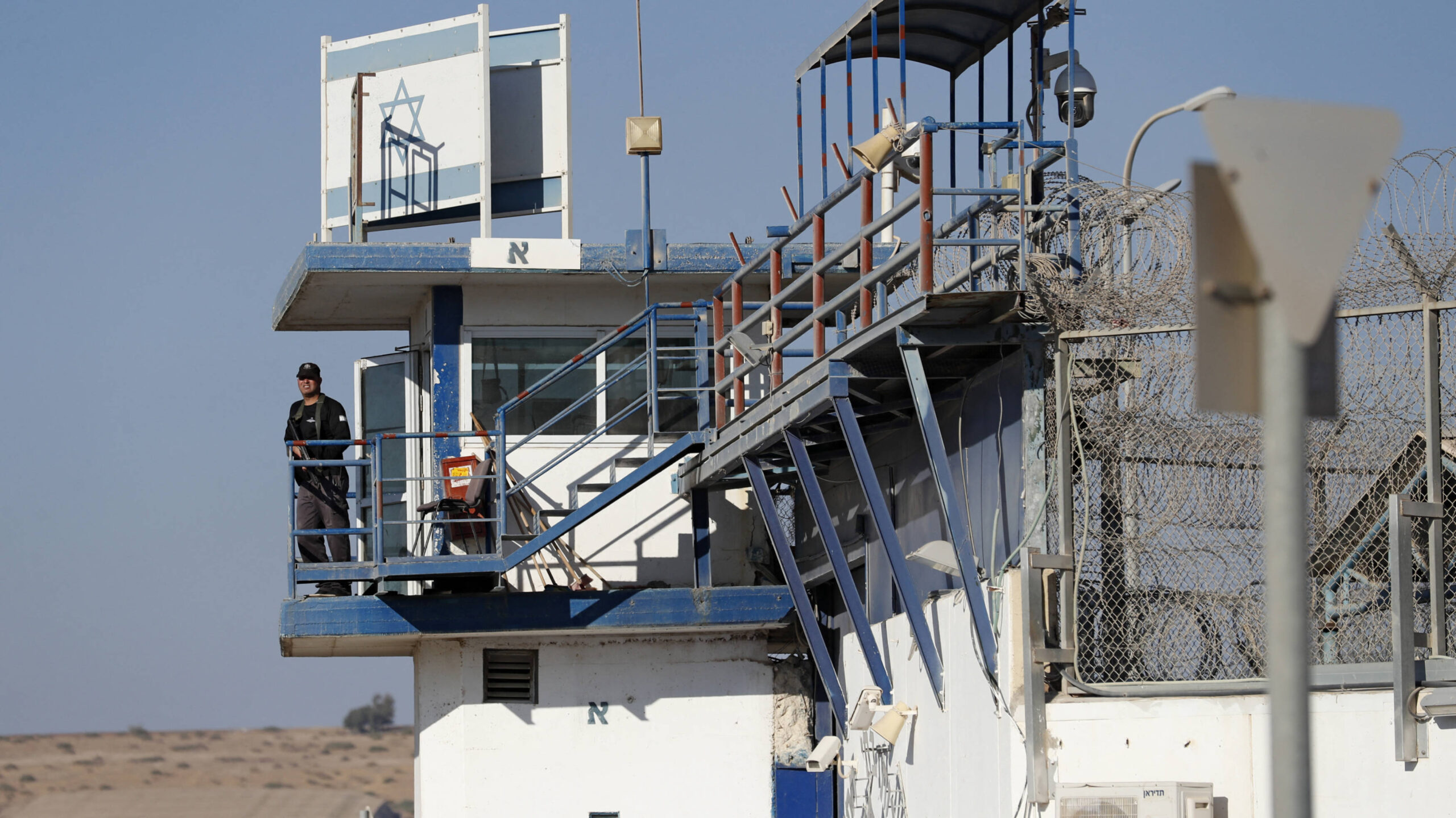
The issue of prison conditions has long been a point of contention in the Israeli Palestinian conflict. Human rights organizations have frequently raised concerns about the treatment of detainees, including allegations of inadequate medical care, restricted access to legal representation, and the use of solitary confinement. Israeli authorities, on the other hand, maintain that their prison system operates within legal frameworks and is subject to oversight.
In the case of Barghouti, the recent allegations have brought these broader concerns back into focus. Questions have been raised about the level of protection afforded to high profile detainees and the mechanisms in place to ensure their safety. The situation also highlights the difficulties faced by legal representatives in monitoring conditions and advocating for their clients, particularly in cases involving political sensitivity.
Political Symbolism and Public Reaction
Barghouti’s imprisonment carries significant symbolic weight, both within Palestinian society and in the wider international community. For many Palestinians, he represents resistance and the ongoing struggle for self determination. His continued detention is often viewed as emblematic of broader grievances, contributing to his status as a unifying figure despite internal political divisions.
The recent allegations of assault have intensified public reaction, with supporters expressing concern and demanding accountability. Demonstrations, statements from political groups, and increased media coverage have all contributed to raising awareness of his situation. At the same time, the issue has been interpreted differently by various audiences, reflecting the deep divisions in how the conflict is understood.
International Response and Legal Implications
The international response to the situation has been measured but attentive. Calls for transparency and adherence to human rights standards have been made by various organizations and observers. These responses emphasize the importance of ensuring that all detainees are treated in accordance with international law, regardless of the charges against them.
Legal experts have also pointed to the potential implications of the allegations, particularly if they are substantiated. Questions about accountability, oversight, and the protection of detainees could have broader consequences for how similar cases are handled in the future. At the same time, the complexity of the political context means that legal considerations are often intertwined with diplomatic and strategic factors.
Conclusion: A Case That Reflects a Larger Conflict
The situation involving Marwan Barghouti is not an isolated issue but rather a reflection of the broader dynamics of the Israeli Palestinian conflict. His imprisonment, the allegations surrounding his treatment, and the reactions they have generated all highlight the deep divisions and ongoing challenges that define this longstanding dispute. For a global audience, the case serves as a reminder of the human dimension of political conflict, where individual experiences are shaped by larger forces.
As developments continue, the need for clarity, accountability, and dialogue remains essential. Whether through legal processes, international engagement, or public discourse, the handling of this situation will likely have implications beyond the immediate case. In a context marked by complexity and tension, the story of Marwan Barghouti underscores the importance of addressing both the immediate concerns of safety and the broader issues that continue to influence the region.