

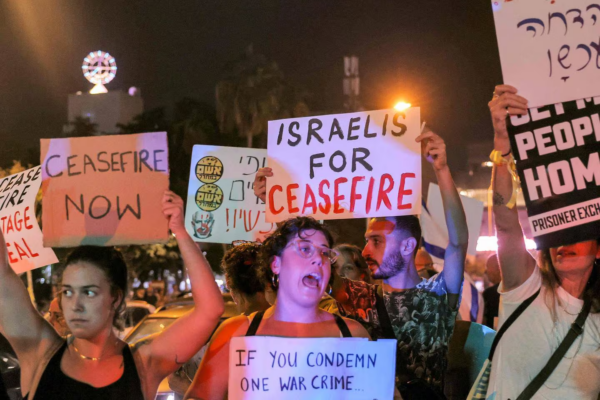
In a region long defined by cycles of tension and intermittent conflict, the announcement of a 10-day ceasefire between Israel and Lebanon represents a significant, though temporary, moment of restraint. Such agreements, even when limited in duration, carry considerable weight in a landscape where escalation can occur rapidly and with far-reaching consequences. This latest pause in hostilities offers an opportunity to assess not only the immediate reduction in violence but also the deeper political, military, and humanitarian implications that surround it. For a global audience, understanding this ceasefire requires looking beyond its timeline and examining the broader dynamics that have shaped its emergence.
Context Behind the Agreement
The path to this ceasefire has been marked by heightened tensions along the Israel–Lebanon border, where exchanges of fire and strategic signaling have raised fears of a wider confrontation. The involvement of armed groups operating within Lebanon, particularly those with significant military capabilities, has contributed to a complex security environment. These dynamics have made the border one of the most sensitive areas in the region, where even limited incidents can escalate into broader conflict.
In recent weeks, the intensity of these exchanges has increased, prompting concern among regional and international actors. Diplomatic efforts, often conducted behind closed doors, have sought to prevent further escalation. The result is the current 10-day ceasefire, a negotiated pause that reflects both the urgency of the situation and the recognition that continued hostilities could lead to outcomes that neither side may fully control.
The Nature of a Short-Term Ceasefire
A ceasefire of limited duration presents both opportunities and challenges. On one hand, it provides immediate relief by reducing the risk of further violence. Civilians living in affected areas can experience a temporary sense of security, allowing for the resumption of daily activities that are often disrupted during periods of conflict. Essential services, which may have been strained or interrupted, can begin to stabilize, even if only for a short time.
On the other hand, the brevity of the agreement raises questions about its long-term impact. A 10-day period is not sufficient to resolve underlying issues or to establish lasting peace. Instead, it serves as a window, a chance to de-escalate tensions and potentially create space for further dialogue. Whether this opportunity will be used effectively depends on the willingness of all parties to engage beyond the immediate terms of the ceasefire.
Humanitarian Relief and Civilian Impact
One of the most immediate effects of the ceasefire is its impact on civilians. In both Israel and Lebanon, communities near the border have faced significant disruption due to ongoing tensions. The pause in hostilities allows for a reduction in immediate threats, providing an opportunity for families to return to their homes, for schools to reopen, and for local economies to regain some level of activity.
Humanitarian organizations often view such ceasefires as critical moments to deliver aid and assess needs. Access to affected areas may improve, enabling the distribution of essential supplies and the provision of medical services. While the scale of these efforts may be limited by the short duration, they can still play a vital role in addressing urgent needs and laying the groundwork for longer-term support.
At the same time, the temporary nature of the ceasefire means that uncertainty remains. Civilians are aware that the pause may not last, which can affect their willingness to fully resume normal activities. This underlying tension highlights the importance of moving beyond short-term measures toward more sustainable solutions.
Military Considerations and Strategic Calculations
From a military perspective, ceasefires often serve multiple purposes. They provide an opportunity for forces to regroup, reassess, and prepare for potential future scenarios. Both sides may use this period to evaluate their positions, repair equipment, and adjust strategies based on recent developments.
This dual nature of ceasefires as both a humanitarian measure and a strategic pause adds to their complexity. While the reduction in violence is a clear benefit, the underlying military considerations mean that the ceasefire does not necessarily indicate a shift toward de-escalation in the long term. Instead, it reflects a temporary alignment of interests, where both sides see value in pausing active engagement.
Understanding this aspect is crucial in assessing the potential outcomes of the agreement. The ceasefire may create conditions for dialogue, but it may also be viewed as a tactical decision within a broader conflict framework.
Diplomatic Efforts and International Involvement
The establishment of the ceasefire is likely the result of sustained diplomatic engagement involving multiple actors. Regional powers, international organizations, and other stakeholders often play a role in facilitating such agreements, using their influence to encourage restraint and negotiation.
These efforts highlight the importance of diplomacy in managing conflicts that have the potential to escalate rapidly. While military actions dominate headlines, it is often the less visible work of negotiation and mediation that creates opportunities for pauses in violence. The success of these efforts depends on coordination, trust, and the ability to address the concerns of all parties involved.
The international community’s response to the ceasefire will also shape its impact. Support for continued dialogue, combined with monitoring and verification mechanisms, can help reinforce the agreement and reduce the risk of violations. However, the effectiveness of these measures is influenced by the broader political context and the level of commitment from those directly involved.
Challenges to Sustaining the Ceasefire
Despite its potential benefits, the ceasefire faces several challenges that could affect its stability. One of the most significant is the presence of multiple actors with differing objectives. In Lebanon, the role of armed groups operating alongside or within the political system adds complexity to the situation. Ensuring compliance across all parties can be difficult, particularly in a fragmented environment.
Incidents, even if unintended, can also threaten the agreement. A single violation has the potential to trigger a chain reaction, leading to a rapid breakdown of the ceasefire. This fragility underscores the importance of communication and coordination in maintaining the pause.
Additionally, the broader issues that contribute to the conflict remain unresolved. Territorial disputes, security concerns, and political differences continue to shape the relationship between Israel and Lebanon. Without progress on these underlying factors, the ceasefire is likely to remain a temporary measure rather than a step toward lasting peace.
Opportunities for Dialogue and De-escalation
While the challenges are significant, the ceasefire also presents an opportunity. Even a short pause can create space for dialogue, allowing parties to explore options that may not be possible during active conflict. Confidence-building measures, however limited, can begin to take shape during this period.
For such efforts to succeed, they must be supported by a clear commitment to reducing tensions and addressing key concerns. This may involve indirect negotiations, facilitated by third parties, aimed at finding common ground. While expectations should remain realistic, even incremental progress can contribute to a more stable environment.
The ceasefire also offers a moment for reflection. Both sides have experienced the costs of continued tension, and the pause provides an opportunity to consider alternative approaches. Whether this leads to meaningful change depends on the willingness to move beyond immediate interests and engage with the broader challenges.
Regional and Global Implications
The significance of the ceasefire extends beyond the immediate area. Developments along the Israel–Lebanon border are closely watched by regional and international actors, as they have the potential to influence broader dynamics. A reduction in tension can contribute to regional stability, while a breakdown of the ceasefire could have wider consequences.
For the global community, the agreement serves as a reminder of the importance of managing conflicts before they escalate. It highlights the role of diplomacy, the impact of humanitarian considerations, and the need for sustained engagement. The situation also underscores the interconnected nature of modern conflicts, where local developments can have far-reaching effects.
Conclusion: A Pause with Uncertain Prospects
The 10-day ceasefire between Israel and Lebanon represents a moment of reduced tension in a region where stability is often fragile. It offers immediate relief for civilians, creates opportunities for humanitarian action, and provides a window for diplomatic engagement. At the same time, its limited duration and the complexity of the underlying issues mean that it should be viewed as a temporary measure rather than a definitive solution.
For a us here as Glopen World, the ceasefire highlights the importance of understanding both the immediate and long-term dimensions of conflict. It is a reminder that even brief pauses can carry significant meaning, offering a chance to step back from escalation and consider alternative paths. Whether this opportunity will lead to lasting change remains uncertain, but its potential should not be overlooked.
As the 10-day period unfolds, the focus will be on maintaining the pause and exploring ways to build on it. The challenge lies in transforming a short-term agreement into a foundation for greater stability, a task that requires commitment, cooperation, and a willingness to address the deeper issues at the heart of the conflict.