





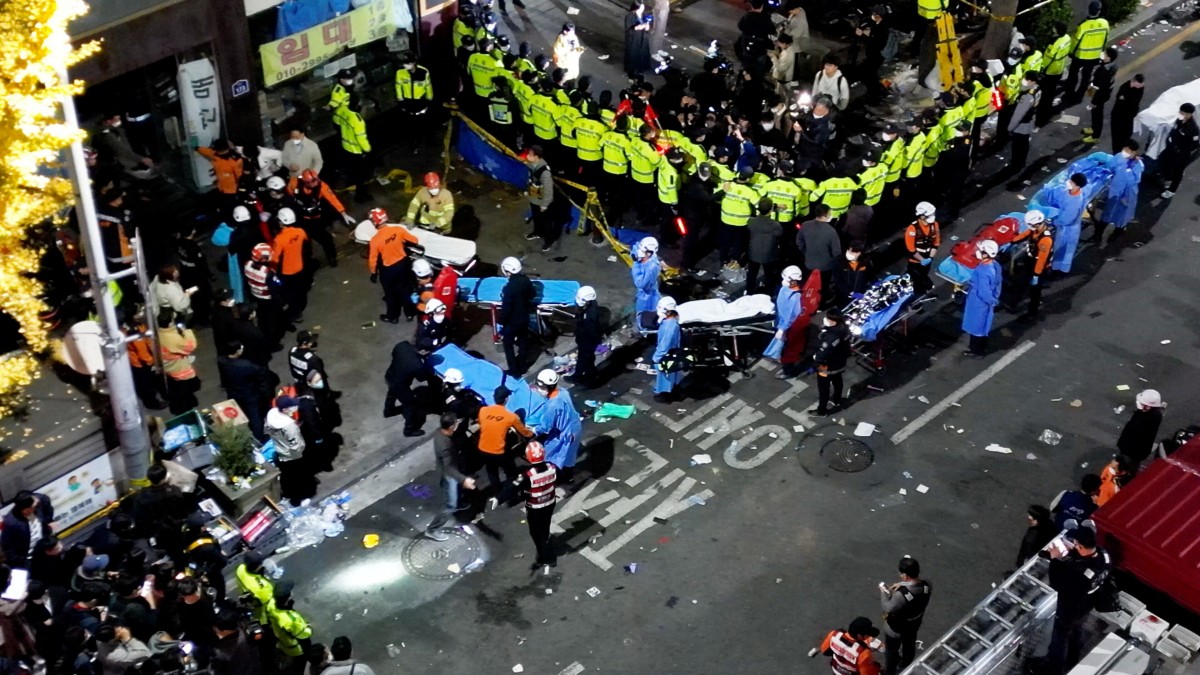
In recent weeks, Lebanon has faced a devastating surge in loss of life, with reports indicating that more than two thousand people have died in a short span of time. This tragic escalation has shaken the nation and drawn concern from across the international community. The scale and speed of the casualties have intensified fears about the country’s stability, exposing long-standing vulnerabilities that have been building over years. What is unfolding is not an isolated incident but a convergence of pressures, security tensions, economic hardship, and fragile infrastructure that together have created conditions for a humanitarian emergency.
The human cost is the most immediate and painful reality. Families are grieving, communities are fractured, and the emotional toll continues to deepen with each passing day. Hospitals are overwhelmed, emergency services are stretched, and essential systems are struggling to cope with the influx of wounded individuals. In many areas, the ability to respond effectively has been compromised, leaving both civilians and responders in extremely difficult circumstances.
A Rapid Escalation of Violence
The sharp rise in deaths over such a short period points to an intense and concentrated escalation of violence. Areas that were once relatively stable have been drawn into the crisis, expanding the geographic scope of the impact. Urban centers and border regions alike have experienced disruptions, with civilians often caught in the middle of ongoing confrontations.
This escalation has not only increased the number of casualties but has also heightened the level of fear among the population. Many residents have been forced to flee their homes, seeking safety in unfamiliar areas or relying on already strained support networks. Displacement adds another layer of complexity, as those affected must navigate uncertainty while coping with loss and instability.
The pace of events has made it difficult for authorities to maintain control. Efforts to contain the situation have been challenged by the speed at which conditions have deteriorated, leaving little time for coordinated responses.
Strain on Healthcare and Emergency Services
One of the most visible consequences of the crisis is the immense pressure placed on Lebanon’s healthcare system. Hospitals, already dealing with limited resources, are now facing an overwhelming demand for medical care. Emergency rooms are crowded, supplies are running low, and medical staff are working under extreme conditions.
In some cases, facilities have had to make difficult decisions about how to allocate resources, prioritizing the most critical cases while struggling to provide adequate care for all patients. This situation underscores the fragility of a system that was already under strain before the current escalation.
Ambulance services and first responders are also facing significant challenges. Reaching affected areas can be difficult due to damaged infrastructure or ongoing security risks. Despite these obstacles, many continue to operate with determination, providing assistance wherever possible.
Economic Hardship and Its Role in the Crisis
Lebanon’s economic struggles have played a significant role in shaping the current situation. Years of financial instability have weakened the country’s ability to respond effectively to emergencies. Inflation, unemployment, and reduced public services have left many citizens vulnerable, with limited access to essential resources.
This economic backdrop amplifies the impact of the recent surge in violence. Families who were already struggling to meet basic needs now face additional burdens, including displacement and medical expenses. The lack of financial stability also affects the government’s capacity to implement large-scale relief efforts, further complicating the response.
In many communities, informal support networks have become a crucial source of assistance. Neighbors, local organizations, and volunteers are stepping in to provide food, shelter, and emotional support. While these efforts are vital, they cannot fully replace the need for coordinated and sustained intervention.
Infrastructure and Living Conditions Under Pressure
The ongoing crisis has placed additional stress on Lebanon’s infrastructure. Roads, utilities, and communication systems have been affected, making it more difficult to deliver aid and maintain normal daily activities. In some areas, access to clean water and electricity has become inconsistent, adding to the challenges faced by residents.
Living conditions for displaced individuals are particularly concerning. Temporary shelters, often set up quickly to accommodate large numbers of people, may lack adequate facilities. Overcrowding, limited sanitation, and insufficient resources create an environment where health risks can increase.
These conditions highlight the broader impact of the crisis, extending beyond immediate casualties to affect the overall well-being of the population. Addressing these issues requires not only emergency response but also longer-term planning to rebuild and strengthen essential systems.
The Psychological Toll on Society
Beyond the physical impact, the crisis has taken a profound psychological toll on the people of Lebanon. The experience of sudden loss, displacement, and ongoing uncertainty can leave lasting emotional scars. Children, in particular, are vulnerable to the effects of trauma, as they struggle to understand and process what is happening around them.
Communities that once provided a sense of stability are now grappling with fear and grief. Social cohesion may be strained as individuals cope with their own experiences while trying to support others. Mental health services, which are often limited, face increased demand as more people seek assistance.
The long-term effects of this psychological burden cannot be overlooked. Recovery will require not only rebuilding physical structures but also addressing the emotional needs of those affected.
International Response and Humanitarian Efforts
The scale of the crisis has prompted reactions from the international community. Governments, organizations, and humanitarian groups have expressed concern and, in some cases, begun to mobilize resources. Aid efforts focus on providing medical supplies, food, and shelter to those in need.
However, delivering assistance is not without challenges. Access to affected areas may be restricted, and logistical difficulties can delay the distribution of aid. Coordination among different actors is essential to ensure that resources are used effectively and reach the most vulnerable populations.
International attention also plays a role in raising awareness about the situation. By highlighting the severity of the crisis, it can encourage further support and prompt discussions about long-term solutions.
The Need for Stability and Dialogue
At the core of the crisis lies a need for stability. Without a reduction in violence and a commitment to dialogue, the situation is unlikely to improve. Efforts to address immediate needs must be accompanied by initiatives aimed at resolving underlying tensions and preventing further escalation.
Dialogue, both within Lebanon and with external stakeholders, is a critical component of any path forward. Building trust, identifying common ground, and working toward shared goals can help create conditions for lasting peace. While such efforts are often complex and time-consuming, they are essential for breaking the cycle of conflict.
Looking Toward the Future
The road ahead for Lebanon is uncertain, but it is not without hope. The resilience of its people has been demonstrated repeatedly, even in the face of significant challenges. Communities continue to support one another, and individuals are finding ways to adapt and persevere.
Rebuilding will require a combination of local initiative and international support. Investments in infrastructure, healthcare, and economic stability will be crucial in creating a foundation for recovery. At the same time, addressing the root causes of instability will be essential to prevent similar crises in the future.
The current moment serves as a reminder of the importance of preparedness and cooperation. Strengthening systems, improving coordination, and fostering dialogue can help mitigate the impact of future challenges.
Conclusion: A Nation at a Crossroads
Lebanon’s recent surge in deaths represents a profound tragedy that has touched every corner of the country. The loss of more than two thousand lives in such a short time underscores the urgency of the situation and the need for immediate and sustained action.
While the challenges are significant, they are not insurmountable. Through a combination of humanitarian support, strategic planning, and a commitment to stability, it is possible to begin the process of recovery. The path forward will require effort, collaboration, and resilience, but it also offers an opportunity to build a stronger and more stable future.
For now, the focus remains on those who have been affected, honoring their memory, supporting their families, and working toward a future where such loss is no longer a reality.


