

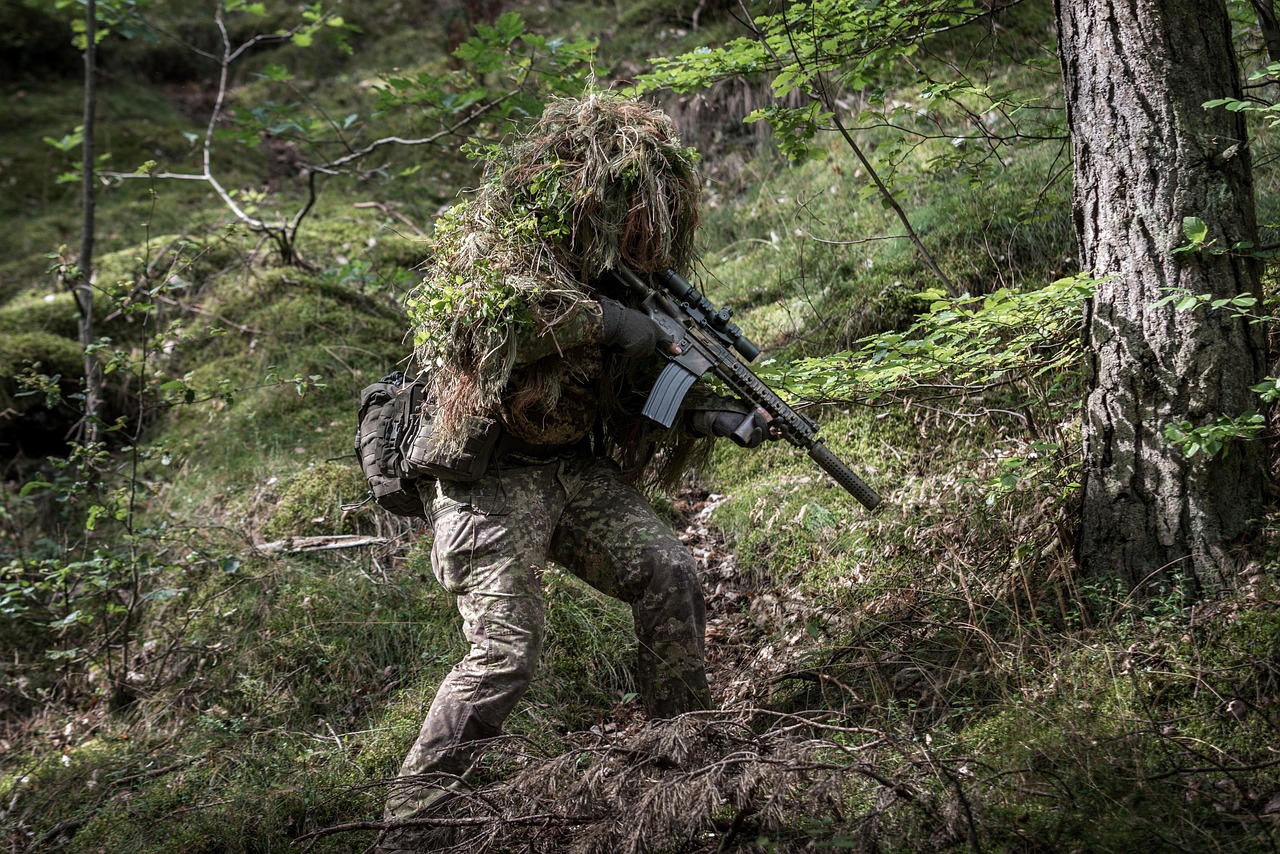
Armed conflict remains one of the most pressing challenges of the modern era, leaving indelible marks on societies, economies, and global stability. From localized skirmishes to protracted international wars, the consequences extend far beyond the battlefield, reshaping geopolitical landscapes and altering the lives of millions. Understanding the complexities, drivers, and multifaceted impacts of armed conflict is essential for policy makers, humanitarian organizations, and concerned citizens alike as we navigate an increasingly volatile world.
The Drivers and Causes of Modern Conflict
Geopolitical and Territorial Disputes
Many armed conflicts stem from deep-seated territorial disagreements or competing geopolitical interests. When nations or non-state actors vie for control over resources, borders, or strategic influence, the potential for violence escalates. Key drivers include:
- Contested international borders resulting in military standoffs.
- Competition over vital resources like water, oil, and mineral deposits.
- Historical grievances that fuel long-standing animosity between ethnic or political groups.
Internal Instability and Governance
Weak governance and the erosion of the rule of law are significant catalysts for civil war. When a state fails to provide basic services or protection, marginalized populations may turn to insurgency. Factors contributing to instability include:
- Corruption and lack of democratic representation.
- Economic inequality that fosters social unrest.
- Fragile state institutions unable to mediate disputes effectively.
The Socio-Economic Impact of Armed Conflict
Humanitarian Consequences and Displacement
The human cost of conflict is measured not just in casualties, but in the massive displacement of populations. According to recent data from the UNHCR, millions of individuals are forcibly displaced due to conflict, leading to the largest migration crises in history. Key impacts include:
- Widespread loss of life and permanent physical injury.
- Severe psychological trauma, particularly among children and displaced families.
- The breakdown of healthcare systems and sanitation, leading to outbreaks of disease.
Economic Destruction and Development Setbacks
Armed conflict acts as a major barrier to economic growth, often reversing decades of developmental progress. The diversion of resources toward military spending leaves little for education, infrastructure, or public health.
Actionable Takeaway: To mitigate economic collapse, international aid organizations must prioritize the stabilization of local markets and the protection of critical infrastructure during active hostilities.
The Role of International Law and Humanitarian Action
International Humanitarian Law (IHL)
IHL, often referred to as the “laws of war,” aims to limit the effects of armed conflict for humanitarian reasons. It protects those who are not or are no longer taking part in hostilities and restricts the means and methods of warfare. Core principles include:
- Distinction: Parties must distinguish between civilians and combatants.
- Proportionality: The damage caused must not be excessive in relation to the concrete military advantage anticipated.
- Humanity: Prohibition of weapons that cause superfluous injury or unnecessary suffering.
The Role of Humanitarian Organizations
NGOs and international bodies like the Red Cross work tirelessly to provide relief in conflict zones. They face immense risks to deliver food, water, and medical care, often serving as the only lifeline for trapped civilians.
Technology and the Changing Nature of Warfare
Cyber Warfare and Information Dominance
Modern conflicts are increasingly defined by the “gray zone,” where cyberattacks, disinformation campaigns, and electronic warfare disrupt civilian life without the need for traditional kinetic weapons. Emerging challenges involve:
- Attacks on national power grids and financial infrastructure.
- Weaponized misinformation to destabilize public opinion.
- Automated weapon systems and the ethics of artificial intelligence in decision-making.
Asymmetric Warfare
Non-state actors often utilize asymmetric tactics—such as guerilla warfare, IEDs, and urban combat—to offset the technological superiority of conventional military forces. This forces armies to adapt quickly, often leading to prolonged periods of instability.
Strategies for Peacebuilding and Conflict Resolution
Diplomatic Engagement
Effective conflict resolution requires inclusive dialogue. This involves not only the leaders of the warring parties but also grassroots organizations that represent the needs of the population. Strategies for success include:
- Establishing ceasefires as a prerequisite for formal negotiations.
- Engaging neutral third-party mediators to build trust between sides.
- Ensuring long-term accountability for human rights violations to foster sustainable peace.
Post-Conflict Reconstruction
Building peace is a long-term process that requires more than just the absence of violence. It necessitates investment in legal reforms, civilian oversight, and psychological support for survivors.
Conclusion
Armed conflict continues to pose a profound threat to the global community, underscoring the necessity for sustained diplomatic efforts, robust international legal frameworks, and a commitment to humanitarian values. While the nature of war is shifting toward digital and asymmetric models, the foundational needs of human safety and social stability remain unchanged. By fostering transparency, investing in preventative diplomacy, and upholding the principles of international law, the global community can better work toward a future where disputes are settled in boardrooms and courtrooms rather than on the battlefield.