

Rwanda is often presented as a story of recovery and transformation, a nation that has made remarkable progress in rebuilding itself after one of the darkest chapters in modern history. Over the past decades, the country has achieved notable improvements in governance, economic growth, and social development. Cities have expanded, infrastructure has improved, and public services have become more accessible to many citizens. However, beneath this narrative of progress lies a more complex reality. While Rwanda has advanced in many areas, significant challenges remain, particularly for vulnerable populations who continue to face economic hardship, food insecurity, and limited access to essential services. For a global audience, understanding why Rwanda still requires humanitarian aid today means looking beyond surface level success and examining the deeper structural issues that continue to affect millions of lives.
Economic Vulnerability and Uneven Development
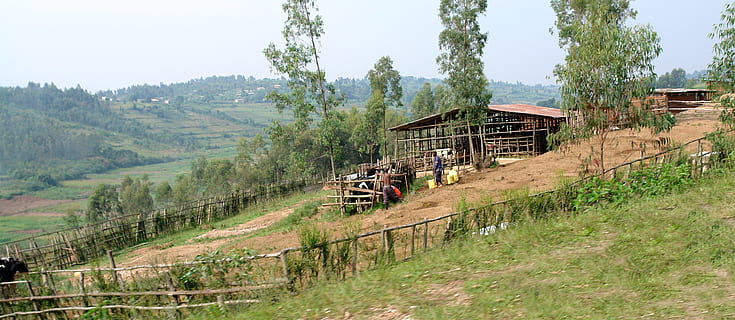
Despite steady economic growth, Rwanda remains a low income country where a large portion of the population depends on subsistence agriculture. This reliance on small scale farming makes many households highly vulnerable to changes in weather patterns, market fluctuations, and environmental degradation. Even minor disruptions can have serious consequences, leading to reduced harvests, income loss, and increased food insecurity. While urban areas have experienced more visible development, rural communities often struggle to keep pace, resulting in uneven distribution of economic opportunities.
Poverty, although reduced over time, has not been eliminated. Many families continue to live with limited financial resources, making it difficult to meet basic needs such as food, healthcare, and education. In such conditions, humanitarian assistance plays a critical role in bridging the gap between what is available and what is required for survival. Without continued support, progress made in recent years could be undermined, particularly for those who are already on the margins of society.
Food Insecurity and Climate Pressures
Food security remains one of the most pressing concerns in Rwanda. The country’s agricultural sector is heavily dependent on rainfall, which has become increasingly unpredictable due to climate change. Periods of drought and irregular rainfall patterns have disrupted planting cycles, leading to lower crop yields and higher food prices. For families that rely on their own harvests for sustenance, these changes can result in immediate shortages and long term nutritional challenges.
Malnutrition, especially among children, continues to be a serious issue in certain regions. Limited access to diverse and nutritious food affects physical development, cognitive growth, and overall health. Humanitarian aid programs that focus on food distribution, nutritional support, and agricultural assistance are therefore essential in addressing these challenges. They not only provide immediate relief but also help communities build resilience against future shocks.
Refugee Presence and Regional Instability
Rwanda’s role as a host country for refugees adds another layer of complexity to its humanitarian needs. Due to instability in neighboring regions, Rwanda has received a significant number of refugees seeking safety and stability. These individuals and families often arrive with limited resources and require immediate assistance, including shelter, food, healthcare, and education.
While the government and international partners have made efforts to support refugee populations, the additional demand places pressure on national resources and infrastructure. Local communities hosting refugees may also face increased competition for jobs, land, and services. Humanitarian aid is therefore crucial not only for supporting displaced populations but also for maintaining social stability and ensuring that host communities are not adversely affected.
Healthcare Challenges and Access to Services
Rwanda has made notable progress in improving its healthcare system, yet gaps remain, particularly in rural and underserved areas. Access to medical facilities, trained professionals, and essential medicines can still be limited for many people. This is especially true for vulnerable groups such as children, pregnant women, and the elderly.
Health challenges in Rwanda include infectious diseases, maternal health issues, and the ongoing need for improved sanitation and clean water access. While national programs have addressed many of these concerns, humanitarian aid continues to play a supporting role in reaching populations that are not fully covered by existing systems. Mobile clinics, vaccination campaigns, and community health initiatives often rely on external support to function effectively.
Education and Youth Opportunities
Education is a key driver of long term development, and Rwanda has made efforts to improve access to schooling. However, challenges persist, particularly in ensuring quality education and equal opportunities for all students. In some areas, schools may lack adequate resources, trained teachers, or proper facilities. Economic hardship can also prevent children from attending school regularly, as families may require them to contribute to household income or labor.
For Rwanda’s growing youth population, limited access to education and employment opportunities can create long term challenges. Without the necessary skills and support, young people may struggle to find stable work, leading to cycles of poverty and frustration. Humanitarian programs that focus on education, vocational training, and youth empowerment are essential in addressing these issues and supporting the next generation.
The Lasting Impact of History
The legacy of past conflict continues to influence Rwanda’s social and economic landscape. While the country has made significant strides in reconciliation and nation building, the effects of trauma and loss are still present in many communities. Some individuals and families continue to face psychological and social challenges that require ongoing support.
Humanitarian aid programs often include components that address mental health and community healing, recognizing that recovery is not only physical but also emotional. These efforts contribute to social stability and help build stronger, more resilient communities. Ignoring this aspect could risk undermining the progress that has been made in fostering unity and cohesion.
Infrastructure Gaps and Rural Isolation
Infrastructure development has been a priority in Rwanda, yet certain regions remain isolated due to limited transportation networks and basic services. Rural communities may face challenges in accessing markets, healthcare, and education due to poor road conditions or long distances. This isolation can hinder economic activity and limit opportunities for growth.
Humanitarian aid can help address these gaps by supporting infrastructure projects, improving access to essential services, and facilitating connections between communities. Such efforts are particularly important in ensuring that development reaches all parts of the country, not just urban centers.
The Role of International Support
International organizations and donor countries play a significant role in supporting Rwanda’s development and humanitarian efforts. Through financial assistance, technical expertise, and program implementation, these partners help address immediate needs while also contributing to long term progress. However, the effectiveness of this support depends on coordination, transparency, and alignment with national priorities.
Sustained international engagement is essential, as many of the challenges facing Rwanda cannot be resolved quickly. Long term commitment allows for the development of comprehensive strategies that address root causes rather than just symptoms. At the same time, it is important to ensure that aid efforts empower local communities and strengthen national systems.
Balancing Progress with Ongoing Needs
Rwanda’s progress in recent years should not be overlooked. The country has demonstrated resilience and determination in rebuilding itself and improving the lives of its citizens. However, progress does not eliminate the need for continued support. Instead, it highlights the importance of maintaining momentum and addressing remaining challenges in a targeted and effective manner.
Humanitarian aid in Rwanda today is not solely about emergency response; it is also about supporting development, building resilience, and ensuring that no one is left behind. This requires a balanced approach that combines immediate assistance with long term planning.
Conclusion: A Continued Need for Collective Action
The need for humanitarian aid in Rwanda today reflects a combination of economic, environmental, and social factors that continue to affect vulnerable populations. While the country has made significant strides in development, many challenges remain, particularly in rural areas and among marginalized groups. Food insecurity, healthcare gaps, refugee support, and limited economic opportunities all contribute to the ongoing demand for assistance.
For a global platform like Glopen World, the situation in Rwanda serves as an important reminder that development is a continuous process. Success in one area does not mean that all challenges have been resolved. Continued support, both from within the country and from the international community, is essential in ensuring that progress is sustained and shared by all.
Ultimately, humanitarian aid in Rwanda is not just about meeting immediate needs but about supporting a future where stability, opportunity, and well being are accessible to every citizen. Achieving this goal requires commitment, cooperation, and a clear understanding of the complex realities that define the country today.