

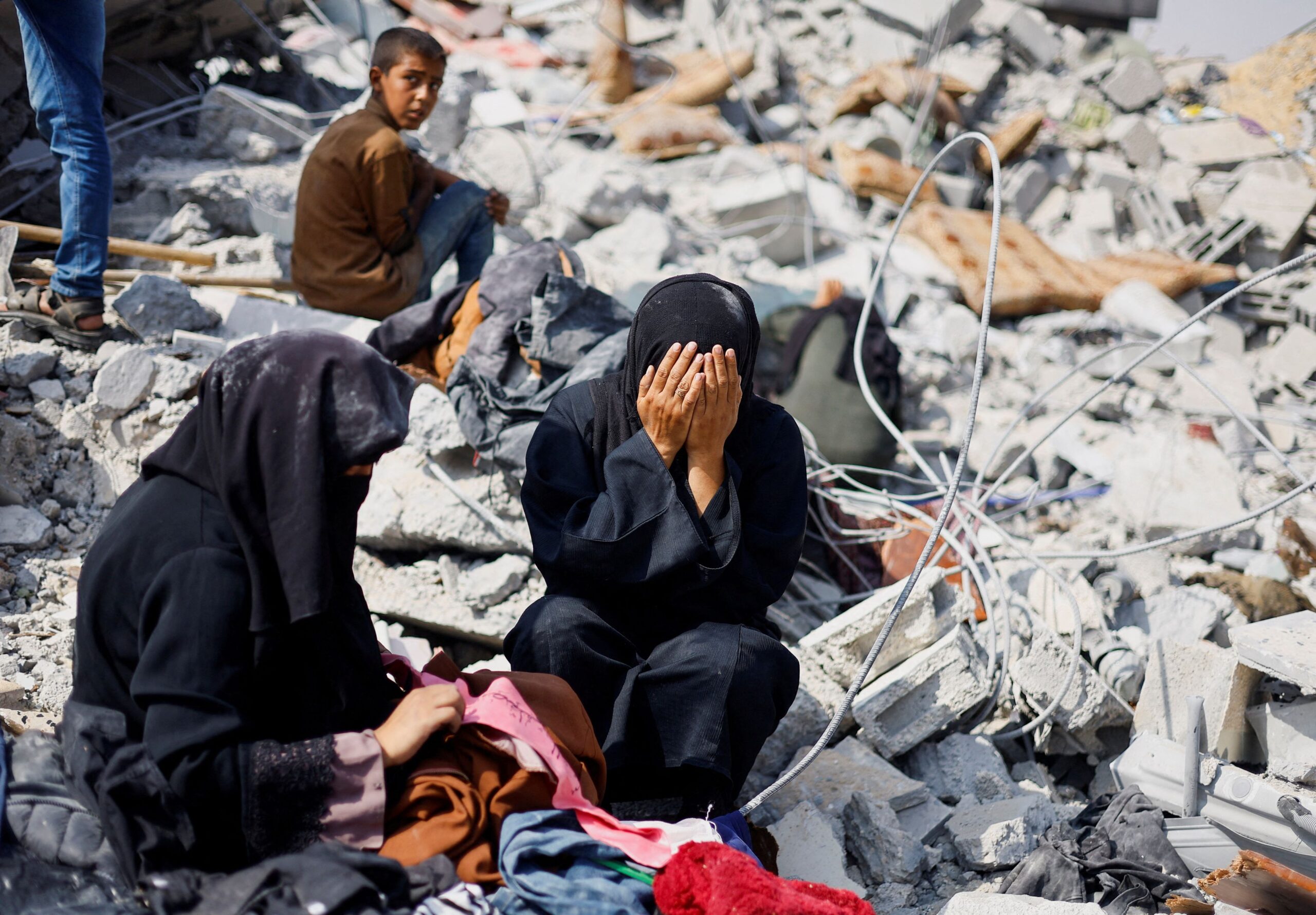
The prolonged conflict between Israel and Gaza has led to numerous proposals aimed at reducing violence and promoting stability. Among these initiatives is the so-called “Board of Peace,” associated with the United States President Donald Trump. This idea was presented as a mechanism to guide ceasefire efforts, oversee reconstruction, and establish a new administrative structure in Gaza. The effectiveness of this initiative remains widely debated. To better understand its role, this article presents a structured analysis through key questions and carefully reasoned answers.
What Was the Purpose of the Board of Peace?
The Board of Peace was introduced as part of a broader strategy to address both immediate conflict conditions and long-term instability. Its primary goals included facilitating ceasefires, coordinating humanitarian assistance, and supporting reconstruction efforts in Gaza.
In addition, the initiative proposed the creation of a governance framework that would rely on technical administration rather than traditional political leadership. This structure was intended to provide stability, reduce internal divisions, and create conditions for sustainable peace.
The concept reflects an effort to move beyond short-term conflict management and toward a more comprehensive solution.
Did the Board of Peace Successfully Stop the Fighting?
The Board of Peace contributed to diplomatic discussions that, at times, supported temporary pauses in hostilities. These pauses allowed for limited humanitarian access and created opportunities for negotiation.
However, the evidence suggests that these efforts did not result in a lasting ceasefire. Hostilities resumed repeatedly, indicating that the initiative did not address the underlying causes of the conflict in a way that could sustain peace.
Therefore, while the Board may have played a role in short-term de-escalation, it did not achieve its primary objective of ending the fighting.
Did It Improve Conditions for Civilians in Gaza?
The initiative included plans for humanitarian assistance and reconstruction, aiming to improve living conditions in Gaza. These plans focused on rebuilding infrastructure, restoring essential services, and promoting economic development.
In practice, progress has been limited. Ongoing military activity has made it difficult to implement large-scale projects, and many humanitarian challenges remain unresolved. Access to healthcare, housing, and basic resources continues to be restricted for many residents.
As a result, the Board of Peace has not yet produced significant improvements in everyday conditions for civilians.
Did It Strengthen Israel’s Security?
From a strategic perspective, the Board of Peace aimed to support security objectives by reducing threats and establishing more stable conditions in Gaza. The proposal included measures related to disarmament and coordinated security arrangements.
However, the continuation of hostilities suggests that these goals have not been fully realized. Security concerns remain central to the conflict, and recurring violence indicates that the initiative has not effectively resolved them.
While the Board may have contributed to discussions about security, it has not yet delivered a clear or lasting enhancement of stability.
Did the Initiative Gain Support from Both Sides?
One of the most significant challenges facing the Board of Peace has been the lack of agreement between the main parties involved. Israel and governing authorities in Gaza hold different positions on key issues such as control, disarmament, and governance.
This lack of consensus has limited the initiative’s ability to move forward. Without mutual acceptance, implementing any comprehensive plan becomes extremely difficult.
In addition, concerns about representation and legitimacy have affected perceptions of the initiative, particularly among those directly affected by the conflict.
Did the International Community Support the Board of Peace?
The initiative attracted attention from various countries and generated discussion about new approaches to conflict resolution. However, it did not achieve full international consensus.
Some countries expressed interest in its goals, while others raised concerns about its structure and its relationship to existing international frameworks. Differences in political priorities and strategic interests influenced these reactions.
The absence of unified international support reduced the initiative’s ability to coordinate resources and enforce agreements, limiting its overall effectiveness.
Did It Help Advance Reconstruction Efforts?
Reconstruction was a central element of the Board of Peace’s vision. The initiative proposed significant investment in infrastructure, housing, and economic development.
Despite these plans, progress has been slow. Ongoing conflict conditions have made it difficult to carry out large-scale reconstruction projects. Damage to infrastructure continues to occur, often offsetting rebuilding efforts.
Additionally, questions about funding, management, and oversight have complicated implementation. Without stable conditions and clear coordination, reconstruction efforts face persistent obstacles.
Did It Introduce a New Approach to Governance?
The Board of Peace proposed a technocratic governance model, emphasizing administrative expertise over traditional political structures. This approach was intended to reduce internal divisions and create a more stable administrative environment.
While innovative in concept, this model has faced criticism. Limited involvement of local stakeholders has raised concerns about legitimacy and acceptance. Effective governance requires not only technical competence but also public trust and participation.
As a result, the proposed governance framework has not yet been fully implemented or widely accepted.
Did It Reduce the Humanitarian Crisis?
The humanitarian situation in Gaza remains a central concern. The Board of Peace aimed to address this through coordinated aid and improved infrastructure.
However, ongoing hostilities have continued to disrupt humanitarian efforts. Access to essential services remains limited, and many residents continue to face difficult living conditions.
The persistence of these challenges indicates that the initiative has not yet achieved a meaningful reduction in the humanitarian crisis.
Was the Board of Peace More Symbolic Than Practical?
In many respects, the Board of Peace can be seen as having both symbolic and practical dimensions. Symbolically, it represents an effort to propose a comprehensive solution and to bring attention to the need for coordinated action.
Practically, its impact has been limited. The continuation of conflict, delays in implementation, and lack of consensus among key actors suggest that the initiative has not yet translated into substantial outcomes.
This distinction highlights the difference between proposing a plan and successfully carrying it out.
What Are the Main Obstacles to Its Success?
Several key obstacles have limited the effectiveness of the Board of Peace:
- Political disagreement: Fundamental differences between parties prevent agreement on core issues.
- Limited local participation: Lack of inclusive representation affects legitimacy.
- Ongoing conflict: Continued violence disrupts implementation efforts.
- International divisions: Inconsistent support reduces coordination and resources.
These factors illustrate the complexity of the conflict and the challenges of implementing any comprehensive solution.
Can the Board of Peace Still Make a Difference?
The future impact of the Board of Peace depends on its ability to adapt and address current limitations. This includes increasing inclusivity, improving coordination with international actors, and focusing on achievable short-term goals.
While the initiative has not yet achieved its primary objectives, it could still contribute to future efforts if it evolves in response to changing conditions.
However, meaningful progress will require cooperation from all parties involved, as well as sustained commitment to addressing both immediate needs and long-term challenges.
Final question: Did It Help Israel and Gaza?
The answer to this question is complex. The Board of Peace has contributed to diplomatic engagement and has introduced a comprehensive framework for addressing the conflict. It has also helped bring attention to the need for coordinated solutions.
However, its practical impact remains limited. It has not succeeded in establishing lasting peace, significantly improving humanitarian conditions, or resolving key political disagreements.
In conclusion, while the Board of Peace represents a notable attempt to address a deeply complex conflict, it has not yet achieved meaningful or lasting results for either Israel or Gaza. Its role, at present, is better understood as part of an ongoing process rather than a definitive solution.