

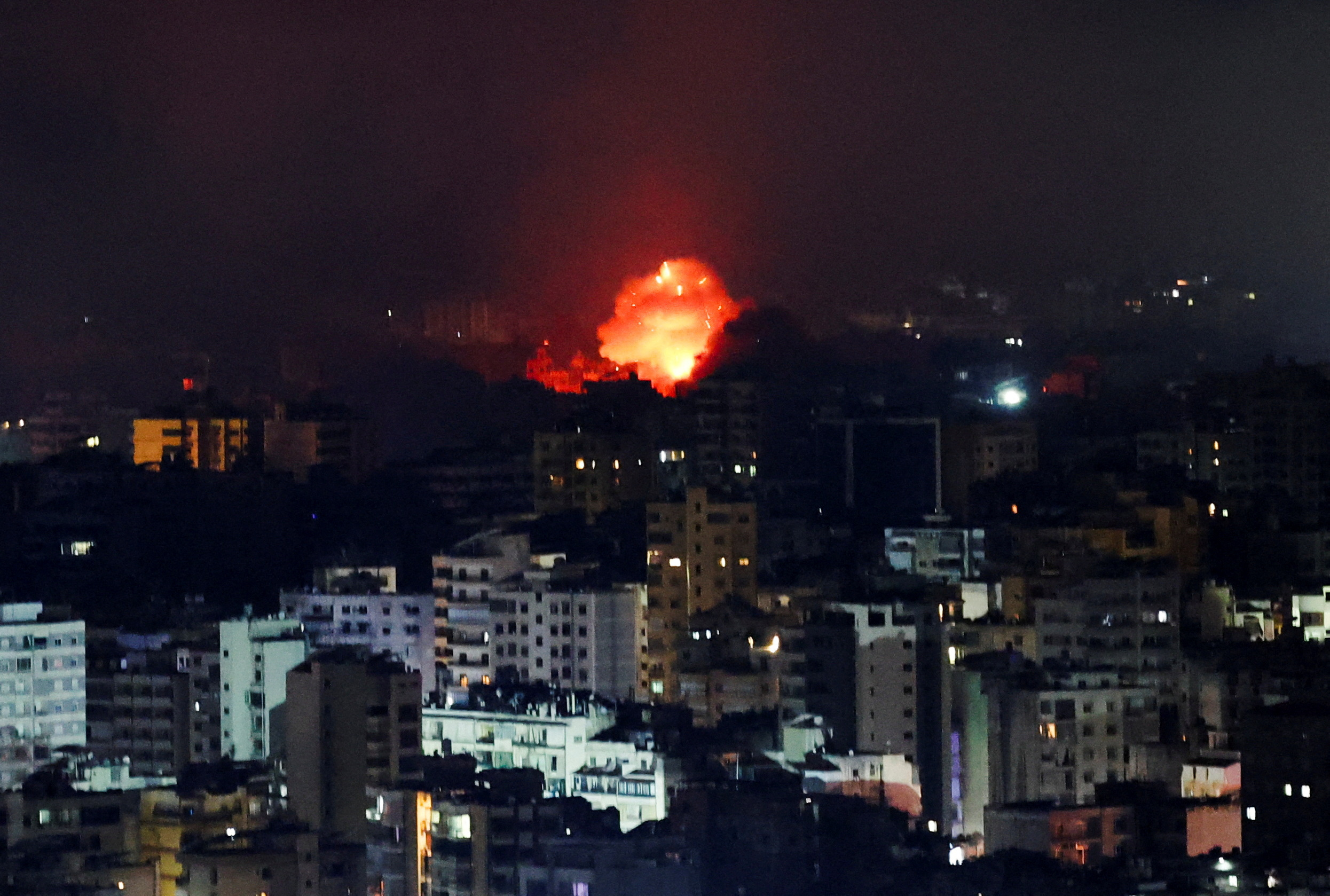
The continued military operations in Gaza represent one of the most persistent and complex conflicts in contemporary international relations. Despite repeated diplomatic efforts, humanitarian appeals, and global attention, Israeli strikes in Gaza have continued, underscoring the reality that the conflict remains unresolved. Rather than reaching a definitive conclusion, the situation has evolved into a prolonged cycle of escalation, retaliation, and fragile pauses.
This ongoing confrontation raises critical questions about military strategy, humanitarian consequences, and the application of international law. It also highlights the challenges of achieving lasting peace in a region marked by historical tensions and competing security concerns. A deeper understanding of the conflict requires examining its recent timeline, the human cost reflected in casualty patterns, and the legal frameworks that shape international debate.
Historical Context and Continuation of Hostilities
The Gaza conflict is rooted in longstanding political and territorial disputes. However, the current phase of sustained Israeli strikes reflects a more intense and continuous pattern of military engagement. These operations are often justified by Israeli authorities as necessary measures to counter threats from armed groups operating within Gaza.
At the same time, the dense population and limited geographic space of Gaza create conditions in which military activity has significant consequences for civilians. As a result, the conflict is characterized not only by strategic objectives but also by substantial humanitarian impact.
The persistence of strikes suggests that neither side has achieved a decisive outcome. Instead, the conflict continues in a state of instability, with recurring escalations that prevent a return to normalcy.
Timeline of Major Phases and Strikes
To better understand the ongoing nature of the conflict, it is useful to examine a timeline of key developments and phases of military activity.
Phase One: Initial Escalation (Late 2023)
- Large-scale hostilities erupted following attacks that triggered a significant Israeli military response.
- Airstrikes were conducted against targets identified as militant infrastructure, including command centers and weapons storage facilities.
- Early phases of the conflict saw rapid escalation, with high-intensity strikes occurring over consecutive days.
During this period, international attention increased sharply, as images of destruction and reports of casualties circulated widely.
Phase Two: Intensification and Ground Operations (Early 2024)
- Israeli operations expanded to include coordinated ground activity alongside aerial strikes.
- Urban areas became focal points of engagement, increasing the complexity of operations.
- Infrastructure damage grew significantly, affecting residential buildings, transportation networks, and public utilities.
The intensity of operations during this phase contributed to a sharp rise in casualties and displacement.
Phase Three: Intermittent Ceasefires and Renewed Strikes (Mid–Late 2024)
- Temporary ceasefires were negotiated, often lasting only short periods.
- Humanitarian aid deliveries increased during pauses but were frequently disrupted by renewed hostilities.
- Strikes resumed periodically, targeting evolving objectives as military priorities shifted.
This phase demonstrated the fragility of ceasefire agreements and the difficulty of sustaining de-escalation.
Phase Four: Prolonged Engagement (2025–2026)
- The conflict transitioned into a prolonged phase characterized by ongoing, lower-intensity but continuous strikes.
- Targeted operations focused on specific locations, including suspected military sites and logistical networks.
- Civilian infrastructure continued to be affected, either directly or indirectly.
This stage reflects the current situation, in which the conflict persists without a clear endpoint.
Casualty Trends and Human Impact
One of the most critical aspects of the ongoing strikes is their human cost. Casualty trends provide insight into the scale and nature of the conflict’s impact on both combatants and civilians.
Civilian Casualties
Civilians account for a significant proportion of those affected by the conflict. Several factors contribute to this pattern:
- Population density: Gaza’s limited space and high population concentration increase the likelihood of civilian exposure to military activity.
- Urban combat environment: Operations in built-up areas complicate efforts to avoid civilian harm.
- Infrastructure damage: Destruction of homes, schools, and hospitals directly affects civilian safety.
Casualty figures fluctuate depending on the intensity of operations, but the overall trend indicates sustained civilian impact.
Displacement and Humanitarian Crisis
In addition to direct casualties, the conflict has led to widespread displacement. Many families have been forced to relocate multiple times, often with limited access to resources.
Key humanitarian concerns include:
- Limited access to healthcare: Hospitals face shortages of medical supplies and personnel.
- Water and sanitation challenges: Damage to infrastructure affects access to clean water.
- Food insecurity: Supply disruptions make it difficult to maintain consistent food distribution.
These conditions contribute to a broader humanitarian crisis that extends beyond immediate casualties.
Psychological and Social Effects
The prolonged nature of the conflict has significant psychological consequences. Continuous exposure to violence, uncertainty, and loss creates long-term mental health challenges.
Children are particularly vulnerable, as repeated disruptions to education and daily life affect their development. Adults face stress related to safety, economic instability, and family well-being.
These social and psychological effects are less visible than physical damage but are equally important in understanding the full impact of the conflict.
Strategic Objectives and Military Considerations
Israeli military operations in Gaza are often framed in terms of security objectives. These include:
- Neutralizing threats: Targeting infrastructure and personnel associated with armed groups.
- Deterrence: Demonstrating military capability to discourage future attacks.
- Control of escalation: Managing the intensity of operations to achieve objectives without triggering broader regional conflict.
However, the effectiveness of these strategies is debated. While strikes may achieve short-term tactical goals, they may also contribute to cycles of retaliation. This dynamic complicates efforts to achieve lasting stability.
International Legal Debates
The ongoing conflict has prompted extensive discussion about the application of international law. These debates focus on several key principles:
Distinction Between Combatants and Civilians
International humanitarian law requires that parties to a conflict distinguish between military targets and civilian populations. This principle is central to evaluating the legality of military actions.
In densely populated areas, distinguishing between combatants and civilians can be particularly challenging. Critics argue that the risk of civilian harm is heightened, while defenders emphasize efforts to target specific threats.
Proportionality
The principle of proportionality requires that the anticipated military advantage of an action must outweigh potential harm to civilians. This standard is subject to interpretation and often forms the basis of legal and ethical debates.
Observers analyze specific incidents to assess whether the level of force used is justified by the intended objective. These assessments can vary depending on available information and perspective.
Precautionary Measures
International law also emphasizes the importance of taking precautions to minimize civilian harm. These measures may include advance warnings, careful target selection, and the use of precision-guided weapons.
The effectiveness of these precautions is frequently debated, particularly in cases where civilian casualties occur despite stated efforts to avoid them.
Global Reactions and Diplomatic Efforts
The international community continues to respond to the situation in Gaza through a combination of diplomatic initiatives and humanitarian support.
Calls for Ceasefire
Many countries and organizations have called for immediate ceasefires to reduce violence and allow for humanitarian assistance. These calls reflect concern about the ongoing human cost of the conflict.
Humanitarian Assistance
Aid organizations work to provide essential services, including food, medical care, and shelter. However, access is often limited by security conditions and logistical challenges.
Diplomatic Negotiations
Efforts to negotiate longer-term solutions face significant obstacles, including lack of trust between parties and differing political objectives. Despite these challenges, diplomacy remains a key avenue for addressing the conflict.
Economic and Infrastructure Consequences
The economic impact of continued strikes is substantial. Damage to infrastructure disrupts economic activity and limits opportunities for recovery.
Key consequences include:
- Loss of employment: Businesses are unable to operate effectively in unstable conditions.
- Reduced investment: Uncertainty discourages economic development.
- Reconstruction challenges: Ongoing hostilities hinder rebuilding efforts.
These factors contribute to long-term economic instability, affecting both current conditions and future prospects.
Media, Information, and Public Perception
Media coverage plays a significant role in shaping global understanding of the conflict. Reports highlight both military developments and human experiences, influencing public opinion.
At the same time, the complexity of the situation means that narratives can vary widely. Different perspectives emphasize different aspects, leading to diverse interpretations of events.
Public engagement with the conflict reflects this diversity, with individuals and communities forming opinions based on available information and personal values.
Prospects for Resolution
Despite the ongoing nature of the conflict, discussions about potential resolution continue. Possible approaches include:
- Negotiated agreements: Establishing terms for ceasefire and long-term stability.
- Confidence-building measures: Reducing tensions through incremental steps.
- International mediation: Facilitating dialogue between parties.
However, achieving these outcomes requires overcoming significant challenges, including political divisions and mutual distrust.
Conclusion
The continued Israeli strikes in Gaza illustrate the reality of a conflict that remains unresolved. The situation is characterized by ongoing military operations, significant humanitarian challenges, and complex legal and ethical debates.
The timeline of events demonstrates a pattern of escalation and persistence, while casualty trends highlight the human cost of prolonged conflict. International legal discussions underscore the importance of balancing security objectives with humanitarian obligations.
As global attention remains focused on Gaza, the need for effective solutions becomes increasingly urgent. Addressing the conflict requires not only strategic considerations but also a commitment to protecting human life and promoting long-term stability.
The path forward is uncertain, but the importance of sustained engagement, thoughtful analysis, and responsible action cannot be overstated.